The super deduction tax relief scheme in the UK is coming to an end soon. So, if you’re planning to upgrade your tools of the trade, now would be an excellent time to do so. Read on to discover how the scheme works, who’s eligible, and how much you can claim…
What is the Super Deduction?
Announced by then-Chancellor Rishi Sunak back in the 2021 budget, the super deduction scheme was established to boost investment, productivity and efficiency for UK businesses – especially after the hardship of 2020.
The scheme offers companies the rare opportunity to claim 130% tax relief on new plant and machinery, purchased before 31st March 2023.
Put another way, for every £1 you spend, your taxes are cut by up to 25p.
So, how does it work?
The scheme allows you to claim 130% tax relief on assets purchased before 31st March 2023.
Let’s look at an example.
Let’s say you purchase new kit at a total cost of £100,000.
In that accounting year, you can claim 130% of that figure (i.e. £130,000) from your taxable profits.
Applying 19% corporation tax to that £130,000 figure gives you a tax saving of £24,700
The table below provides a comparison of the Super Deduction with the previous system – as you can see, the tax saving is more than doubled in this example.
| Previous System | Super Deduction |
|---|---|
| A company spends £2m on qualifying assets They deduct £1m using the AIA* in year 1, leaving £1m They then deduct £180,000 using WDAs** at 18% Total deductions in this example are therefore £1.18m Apply Corporation Tax at 19% Equals £224,000 in tax savings Or 11p in every £1 spent | Same company spends £2m on qualifying assets They deduct £2.6m using the 130% rate Super Deduction tax rate Apply Corporation Tax at 19% Equals £494,000 in tax savings or 24.7p in every £1 spent |
*AIA, Annual Investment Allowance, ended December 2021 **WDAs, Writing Down Allowances
What equipment is included?
HM Treasury defines ‘plant and machinery’ as tangible assets that you use in the course of your business – aka, the tools of your trade.
They do not provide an exhaustive list, but examples of these types of assets include;
- Tools such as ladders and drills
- Construction equipment such as excavators, compactors and bulldozers
- Machines such as computers, printers, lathes and planers
In order to qualify, the kit you purchase must be;
- New and unused
- Purchased – not leased
- Not a gift
- Not to be purchased to lease to someone else
Of course, investing in new equipment isn’t just good for your tax affairs – it’s good for productivity too.
Just take a look at this recent example from Casterbridge Land Surveys – after investing in the R12i GNSS solution, they’re experiencing efficiency gains of 30-50% – put another way, they’re saving up to 3 hours – each and every day.

So, if you were looking to invest in some new kit, it’d be well worth making the investment before the 31st March deadline.
Why not complete the form below, for a call back from our friendly team?
Who's eligible?
There are some basic eligibility requirements to qualify for the scheme;
- You incurred the expenditure before 1st April 2023
- You must be a UK registered company, that is subject to corporation tax
- You did not buy the plant or machinery due to a contract you entered into before 3rd March 2021
If you're a sole trader, you can't use the Super Deduction scheme, but there is a simpler scheme you can take advantage of - find out more about this scheme, here
What else do I need to know?
For more information on how the Super Deduction scheme works, take a look at the gov.uk site on Super Deduction - via this link
All information on this page was correct at time of publication - 13 February 2023
Please note that the Super Deduction scheme is only available to UK companies - businesses should consult their professional tax adviser for full details of the scheme
A trio of news stories celebrating the support that both KOREC and Trimble are providing to the education sector across the UK
There isn’t much that’s more important than ensuring the next generation are informed, enthused and inspired to join us in the exciting world of engineering, construction and the built environment.
In how many other industries can you make such a direct and positive change in how we design, build and maintain the spaces in which we live, work and play?
That’s why we’re delighted to highlight 3 recent stories that do just that;
KOREC & National Highways make a Big impact
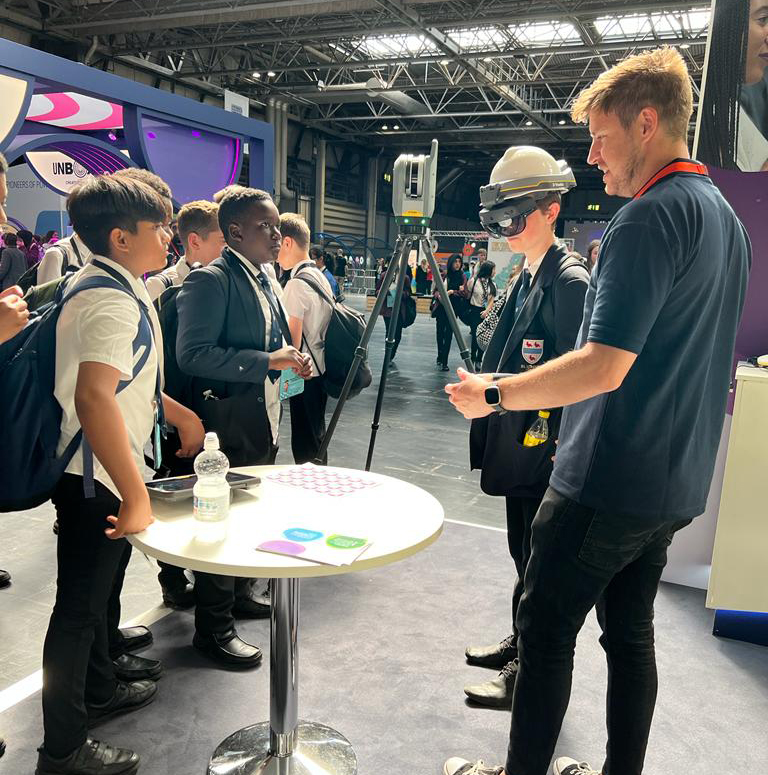
Our team were delighted to support National Highways at the recent Big Bang Fair in Birmingham.
The 3-day event saw tens of thousands of children aged 11-14 descend on the NEC to get involved in all things STEM (science, technology, engineering and maths).
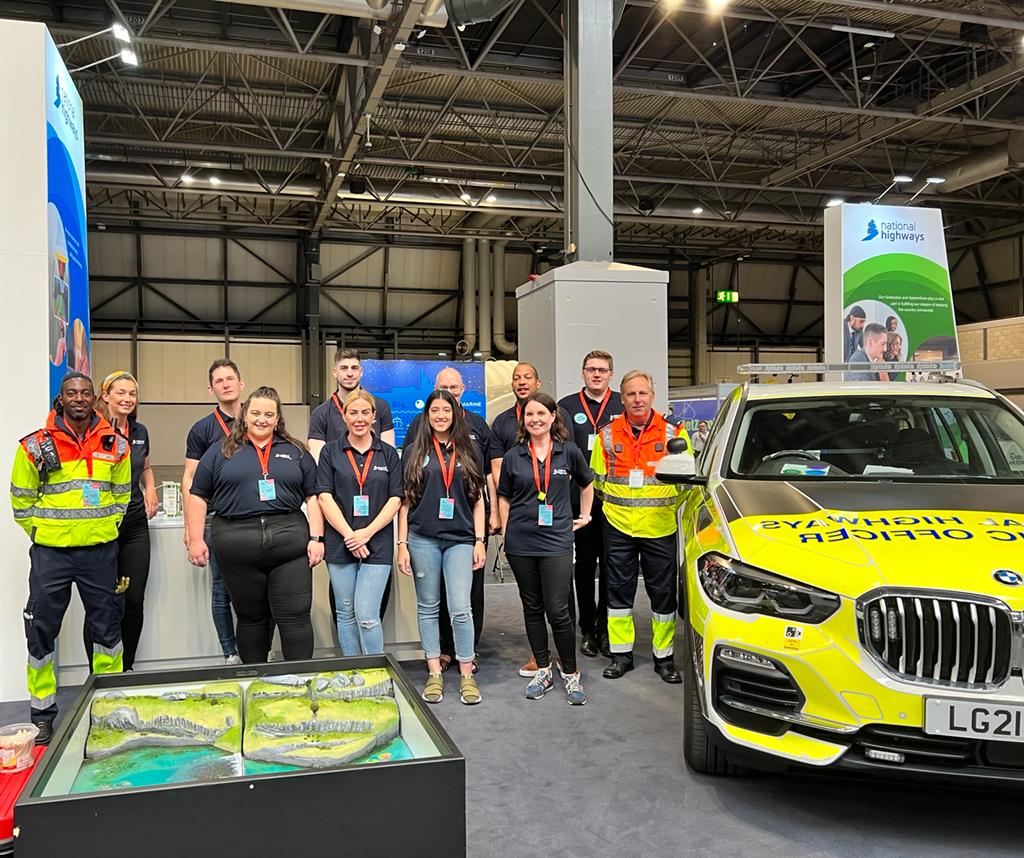
The KOREC team were on hand to showcase the very cool technologies that are being utilised to made the collection, sharing and understanding of spatial data easier and more intuitive. The star of the show was most certainly the Trimble XR10 headset. The team loaded various digital models including dinosaurs, robots and an airplane into the device, which the kids could then view and explore!
Check out more photos of the event and the team, here!
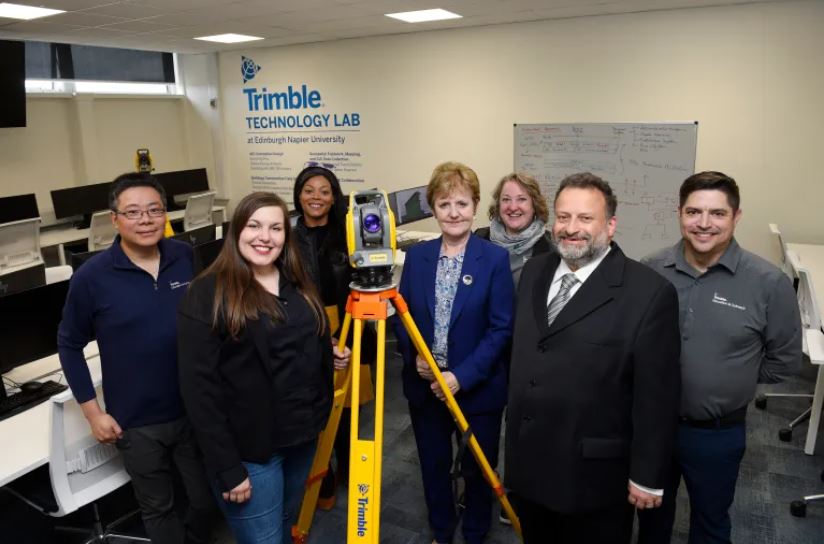
Trimble Technology lab expands in Edinburgh
Trimble and Edinburgh Napier University are celebrating the expansion of the Trimble Technology lab – the first of its kind in the UK.
Click here or the link below to read the complete story over on the North Edinburgh News site.
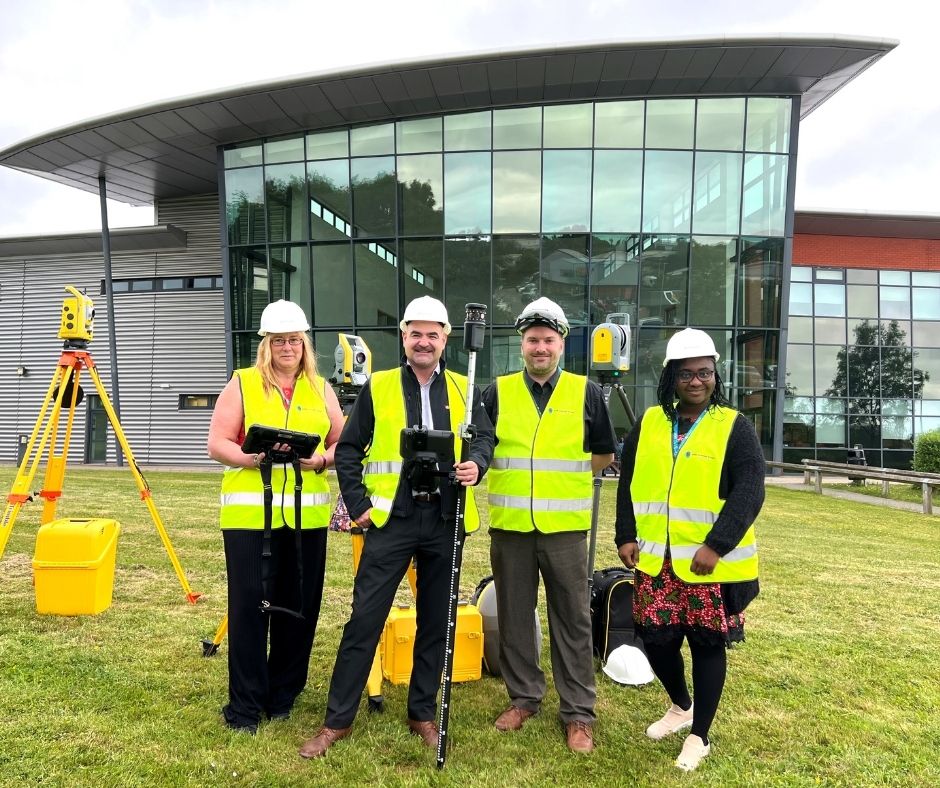
SMB College Group invest in Trimble Technology
Leicestershire-based SMB College Group has recently invested over £80,000 in Trimble technology, supplied by KOREC Group.
The college is a leader in Construction T level courses – preparing its students for work in the construction and engineering sectors including quantity surveying, civil engineering, project management and architecture.
The equipment includes some of Trimble’s most cutting-edge digital construction solutions, including the X7 laser scanner, the XR10 mixed reality headset, and the S5 robotic total station.
Read the full press release on the SMB College Group site
Next Generation is KOREC’s higher education strand – it’s how we inspire, support and train the institutions and the students who are the future workforce of our industry.
If you’d like to know more about Next Generation, or how we can help you, why not get in touch?
Last month we said goodbye to one of our longest-serving employees – and in doing so closed a chapter of KOREC’s history.
When Group Financial Controller Helen Palmer (nee Walsh) decided to ‘hang up her abacus’ after 22 years in the business, there ended the last connection to the original founders of Survey Supplies.
A Little History Lesson
Survey Supplies was founded in Liverpool by father and son, George and Graham Walsh in 1967. As with many family enterprises, Helen Walsh, Graham’s daughter and George’s granddaughter, was roped in to assist – working in the finance department as a teenager during her summer holidays.
Helen clearly caught the bug – heading to university to study Maths with statistics, and then training as a Chartered Accountant with a firm in Liverpool.
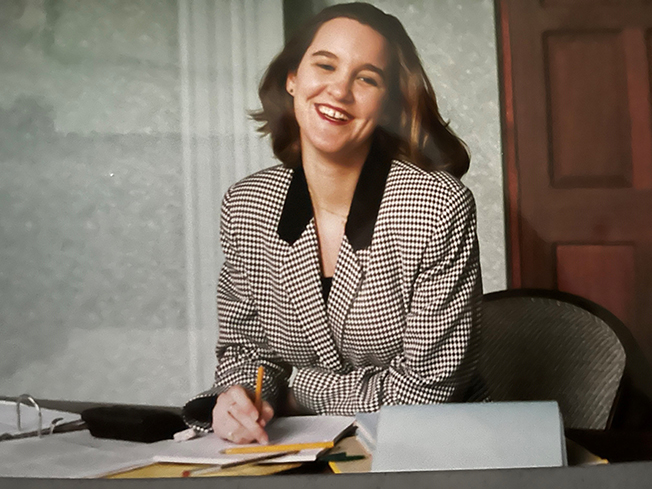
In 1999 Helen returned to the finance department at Survey Supplies. When Survey Supplies Ireland was established– a brand new enterprise for the company, Helen was tasked with the accounting functions.
One of the most significant changes came in 2005 when current CEO Alan Browne purchased Survey Supplies, and rebranded the organisation to KOREC. Although clearly a significant change for Helen, she confesses that these later years have been the ones she will look back on most fondly.
A Fond Farewell
Never one to miss out on a party, Helen made the decision to retire at the tail end of 2021 – giving the KOREC team plenty of time to plan her farewell party.
The team didn’t disappoint. A night out at Bongo’s Bingo (bingo – but not as you know it!) was enjoyed by the Liverpool office team, although Helen was gutted not to take home the glitterball helmet…
A rather more sedate party was held in the Liverpool office, where the team enjoyed a buffet feast (thank you Rachel!) and an absolutely giant cake, which Helen ceremoniously cut.
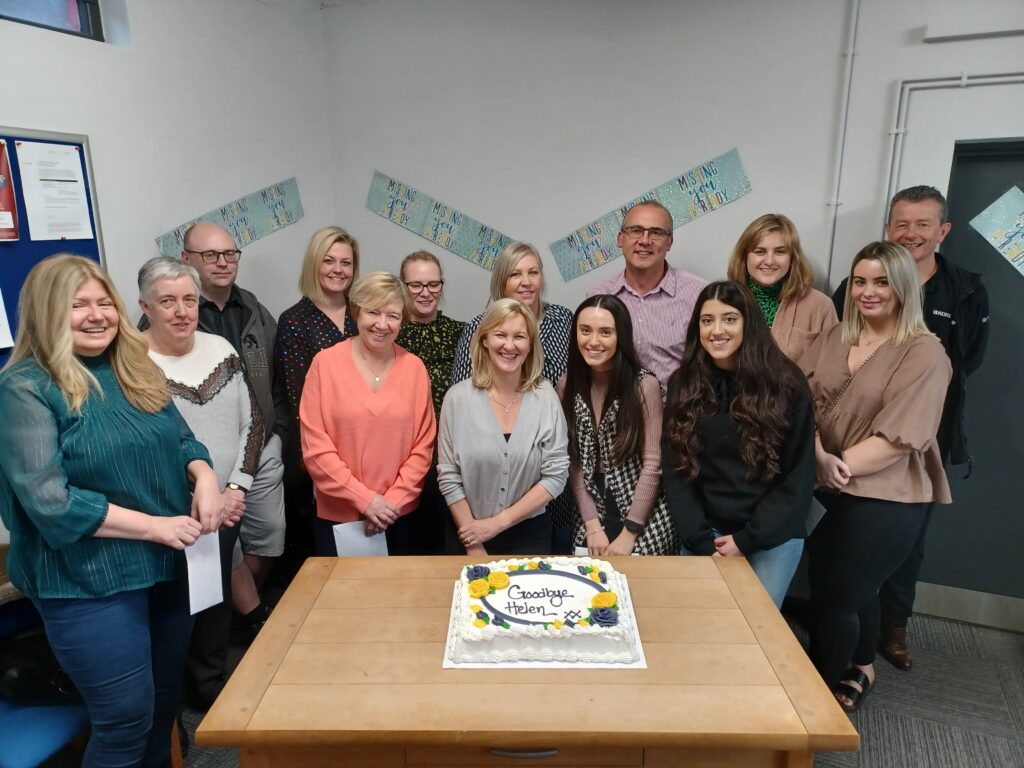
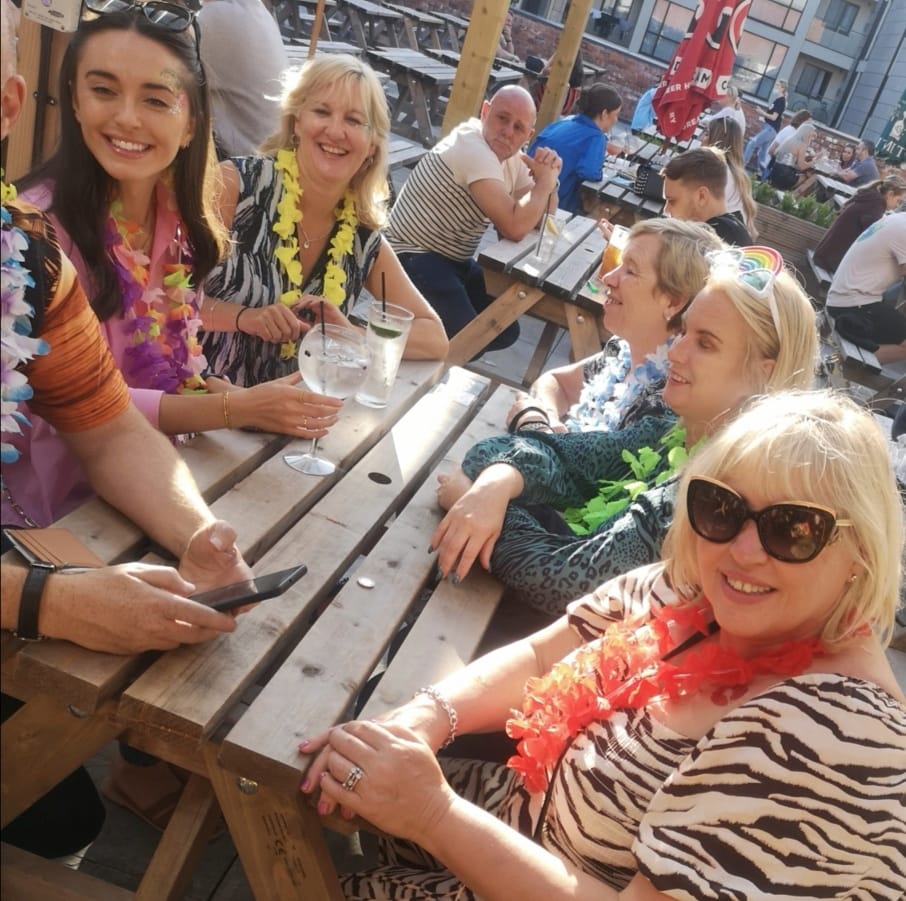
Helen will be greatly missed by all who worked with her – not least Finance Director David Hodkinson who singled out her ‘fantastic work and dedication’ during their 16 years as colleagues.
Happily, Helen is based just up the road from the Crosby office, so we expect to be seeing Helen and getting regular updates on her latest golf handicap / caravan holiday escapades!
From all of us at KOREC, we thank you Helen and wish you many happy years on the golf course!
Our third ‘Hidden Figure’ of October was a true pioneer in not one but two fields – the football pitch and the fields of war – and has just entered the Hall of Fame at the National Football Museum
Walter Tull seemed to face adversity at every step of his short but eventful life. Walter, along with his brother Edward, was left orphaned at just nine years of age after his mother died of breast cancer and his father of a heart attack. The two young boys were moved from their native Folkstone to a children’s home in Bethnal Green.
It was here that Walter’s love and talent for the beautiful game first became apparent, and at the age of 20 he was signed for local amateur club Clapton FC – one of the first black players in English football. Reports were Walter never played a losing game, and was called the “catch of the season” by the Football Star.
Fame came calling just a year later when Walter signed for Tottenham as inside forward. During his short time with the club, Walter endured horrific racial abuse at the hands of the opposing fans. Newspaper reports of the time state that, despite being abused with language “lower than Billingsgate [market]”, Walter remained, at all times, a true professional;
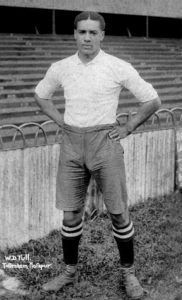
“He is Hotspur’s most brainy forward … so clean in mind and method as to be a model for all white men who play football … Tull was the best forward on the field.”
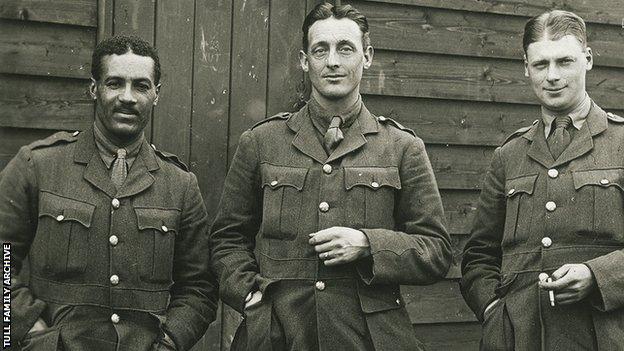
Walter’s life took a very different turn with the outbreak of the Great war in 1914. He wasted little time in enlisting, joining the ‘Footballer’s Battalion’ (what else?) of the Middlesex Regiment in December 1914. He fought extensively in the war including on the Italian and Western fronts, and at the battle of the Somme. His “gallantry and coolness” helped him climb the ranks, becoming a second lieutenant in 1917 – one of the first mixed-heritage men to become an officer in the British Army, and the first black man to command white troops.
Walter’s life was cut tragically short on 25th March 1918 in northern France, during a German offensive. He was just 29 years old. When notifying of his death, his commanding officer recommended Walter for a Military Cross – for his gallantry and brave service.
Despite never receiving the award he clearly deserved, today Walter has been recognised for his contribution to the beautiful game. This week he was posthumously entered into football’s Hall of Fame, in a ceremony at the National Football Museum, Manchester.
Former Tottenham defender Ledley King, who was at the ceremony, described Walter as a “true inspiration – to me and for every black footballer who has come through since”
Sources for this blog;
https://www.bbc.co.uk/sport/football/43504448
https://www.bbc.co.uk/sport/football/58992003
https://en.wikipedia.org/wiki/Walter_Tull
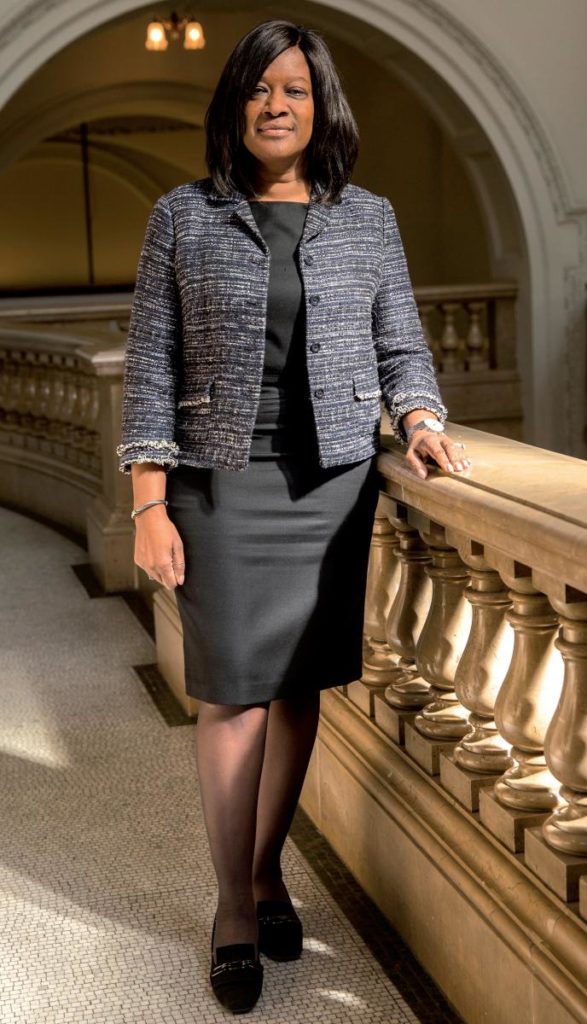
Marking the second in our ‘Hidden Figures’ series is a look at the woman who has just topped the 2022 Powerlist – Microsoft CDO Jacky Wright
First published in 2007, The Powerlist is a list of the top 100 most influential people of African or African Caribbean heritage working in the UK. Famous recent winners have included the author Malorie Blackman, Brexit activist Gina Miller, and last year’s winner, Formula 1 driver Sir Lewis Hamilton.
2022’s winner is admittedly less of a household name – Microsoft Chief Digital Officer Jacky Wright.
We did a little research to find out more about Jacky and her background – and how she explains her business philosophy in her own words.
Jacky was born in Jamaica, her parents part of the Windrush generation that came to the UK in search of a better quality of life for their families. Her father served in the Royal Air Force and distilled in Jacky the belief that, through striving and hard work, she could truly be and do anything she wished.
Hear Jacky in her own words in this BBC interview:
Jacky has spent much of her working life in the US, with senior positions at major multinationals such as BP, General Electric and Anderson Consulting. But she returned to the UK in 2017 for a two-year stint overseeing the transformation of HMRC to a truly modern, digital organisation.
Clearly, Jacky does not shy away from a challenge. The ongoing transformation of the UK’s tax body is fundamental shift – involving the relocation of 65,000+ employees into 13 regional UK hubs by 2025.
At the same time, the government had set itself the challenge of becoming the UK’s most diverse employer by 2020. For Jacky, these two challenges, at first seemingly separate, are at the heart one and the same.
“Becoming a more diverse environment is not just about making government a better workplace. It is also about enabling government to work better: you can more effectively serve the breadth of the citizenry if your workforce is composed of a similarly broad cross-section”
For Jacky, if organisations such as HMRC are to truly modernise, decentralise and better reflect contemporary working practices, it is vital that the people making the decisions best represent UK society as a whole.
“I want my team to be an inclusive team from all walks of life, because then we can best address problems. Diversity informs me like it should inform anything that anyone does…We’ve got to understand the citizens, because we have to make sure they are able to interact with us – no matter who they are, what walks of life they are from, or whether they have disabilities. And, in order to do that, I’ve got to think broadly.”
We think we can learn a lot from Jacky’s ethos, in how we continue to build modern, forward-thinking and inclusive organisations.
Congratulations to Jacky on topping the Powerlist – we don’t think we’ve heard the last of her!
Sources for this blog;
https://www.bbc.co.uk/news/av/business-58890913
The 1960 Rome Olympics introduced the world to a boxing superstar named Cassius Clay, better known perhaps as Muhammad Ali. But it’s a lesser known gold medal winner from that games who’s the star of our first ‘Hidden Figures’
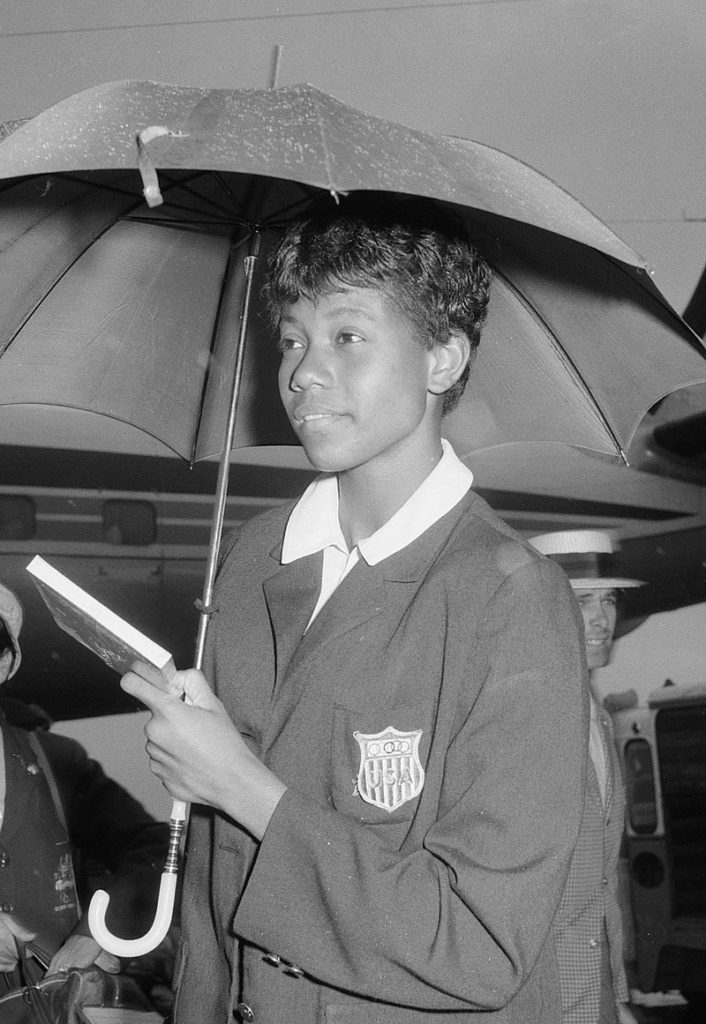
Wilma Rudolph took home no less than 3 gold medals for athletics in 1960, namely the 100m, 200m and 4 x100m relay. An impressive feat in itself, but even more impressive when you understand Wilma’s background.
The twentieth of 22 siblings, Wilma was born in 1940 in Clarksville, Tennessee. She was born premature, weighing just 4.5 pounds. She suffered from multiple illnesses in her childhood, including pneumonia, scarlet fever and polio – which left her lame in her left leg and foot. Medical care for African-Americans was in short supply in Clarkesville, so Wilma and her mother Blanche were forced to make a weekly bus journey some 50 miles to the largely-black medical centre in Nashville, for treatment. This continued for 2 long years, until Wilma regained the use of her leg, by the time she was 12 years old.
Wilma’s athletic talents were spotted at high school, where she soon earned the nickname ‘Skeeter’ due to her speed. At the tender age of 16, and the youngest member of the squad, Wilma travelled across the globe to the Melbourne Summer Olympics, where she brought home bronze in the 4 x 100m relay.
Four years later in Rome, Wilma competed in 3 events, winning gold in all 3 – becoming the first American woman to win three golds in a single Olympics. In sometimes scorching temperatures of 110F (43C), Wilma was inspired by another American sprinter – Jesse Owens, her inspiration from the infamous 1936 games in Berlin.
Whilst her victories had her cast as America’s ‘leading lady’, Wilma returned home to a very divided nation. When Clarksville celebrated ‘Welcome Wilma Day’ to celebrate her achievements, Wilma used her new-found fame to insist that the event be fully integrated between black and white people – the first fully integrated event in the city’s history.
Wilma retired from running age 22, feeling she had reached the heights of her Olympic career. In her own words; “I’ll stick with the glory I’ve already won, like Jesse Owens did in 1936”
Perhaps Wilma thought her fame was required elsewhere. As well as gaining a degree in education in 1963, Wilma spent over a month in west Africa as a US goodwill ambassador. On her return, she took part in a civil rights protest in Clarkesville to desegregate the city’s restaurants. Within weeks, all of the city’s restaurants, as well as public facilities, became fully integrated between black and white people.
No doubt the childhood memory of those weekly 50 mile bus rides to a ‘black’ hospital were high in Wilma’s mind – with a determination that no other young black child would have to endure the same hardships.
October in the UK marks Black History Month, and for the second year, here at KOREC we are taking part.
Last year, we asked our people to tell us who had inspired them, or left a positive impact on their life. As well as some personal connections, some notable names such as Nelson Mandela and Barack Obama were cited as inspirational figures.
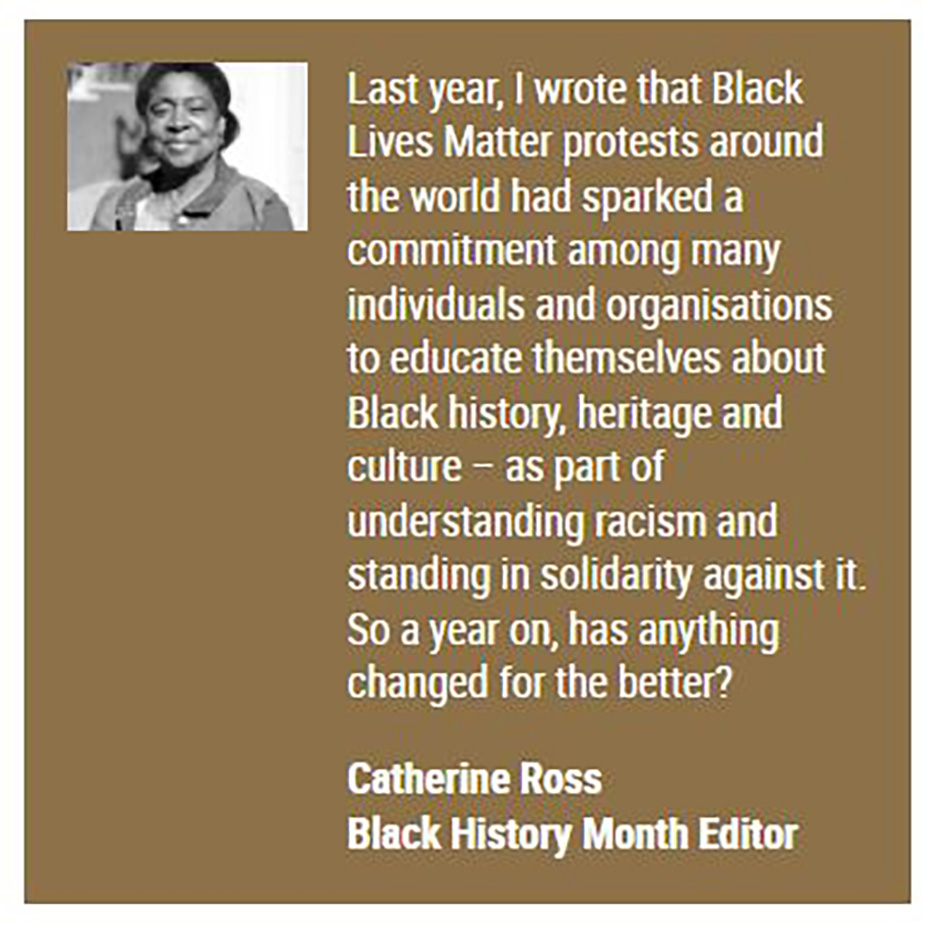
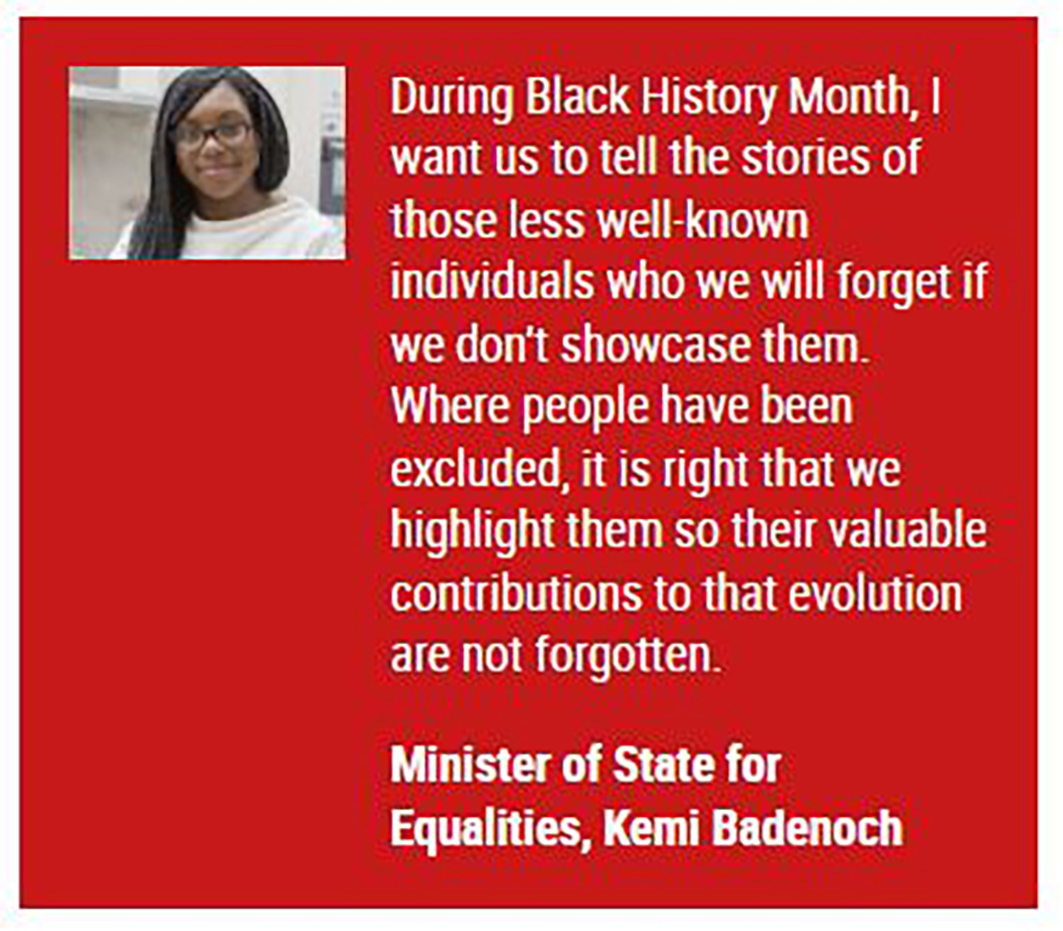
As a contrast, this year, we are taking our lead from these quotations from BHM editor Catherine Ross, and Minister of State for Equalities, Kemi Badenoch;
“Because black history is British history“
Dawn Butler MP (first female African-Caribbean minister to speak at the dispatch box)
Hidden Figures
Throughout the month, we’ll be focussing on some lesser known black figures from throughout history. The aim is to not only highlight people who have changed the course of history, but to educate ourselves on who these people were, the times they lived in, the challenges they faced – and the contributions they made to society.
So instead of familiar names, we’ll be talking about some lesser known (or even hidden) figures from throughout history – so if the names Wilma Rudolph, Ignatius Sancho, Mary Seacole, Harriet Tubman or Katherine Johnson don’t mean much right now, we hope that come October 31st we’ll all have learnt a little more.
After all, as this timeline shows – the black history of Britain is far from recent…

Sometimes in life, things just fall into place, the stars seem to align, and all is good in the world. Take last week as an example – Tuesday marked the return of The Great British Bake Off to our screens, and the annual MacMillan Coffee Morning took place on Friday. Pure perfection, right?
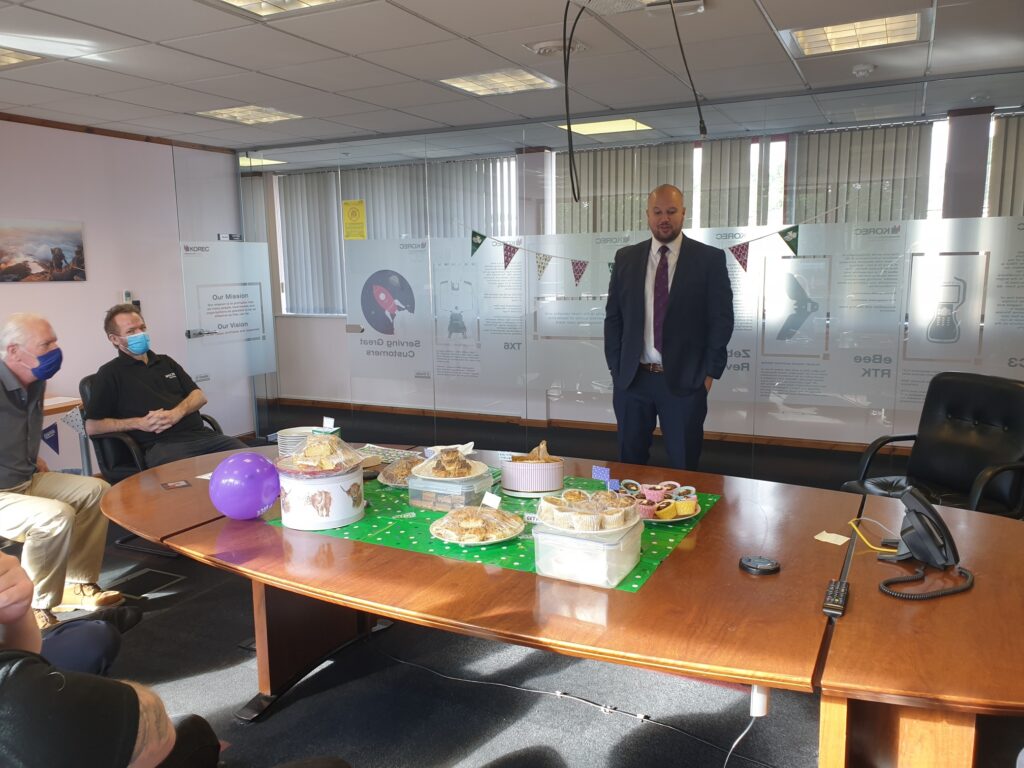
We chose to celebrate in style and mark the occasion by hosting our very own ‘Bake Off’ – After all, there’s nothing we like more than a bit of healthy competition. Our Liverpool office was up first, hosting their coffee morning on Thursday.
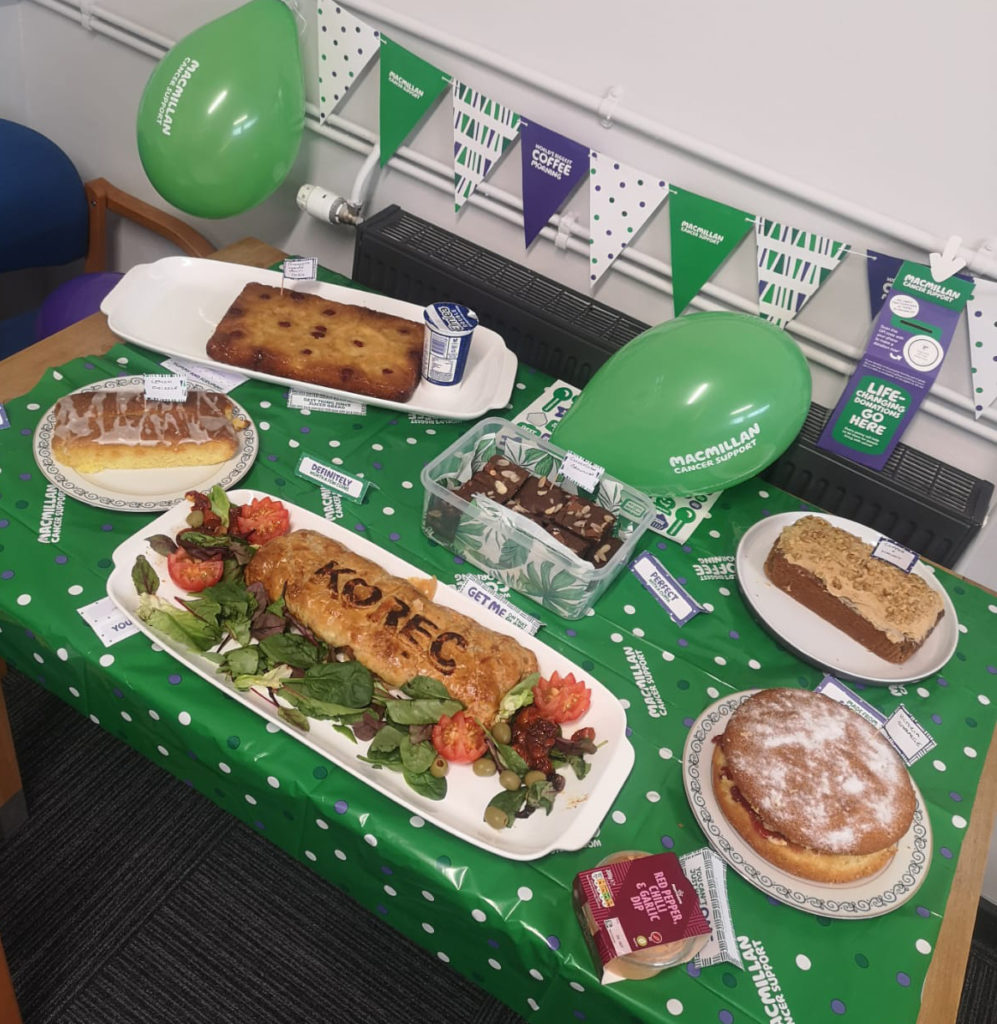
Steve, Karen and Lorna treated us to an array of goodies including a pineapple upside-down cake, coffee and walnut, and a classic Victoria sponge. But it was Patsy who really stole the show with her branded (!) KOREC sausage roll.
So the pressure was really on for team Huntingdon come Friday, but they had a secret weapon in the form of Lloyd “Hollywood” Wilkinson – our very own cake judger!
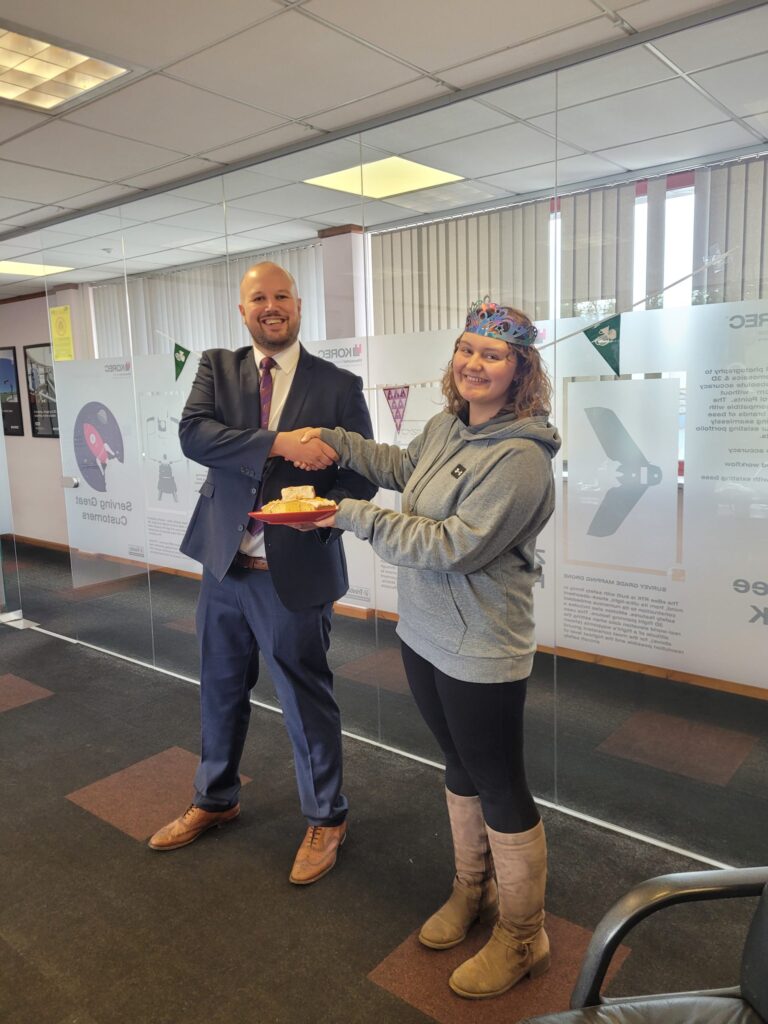
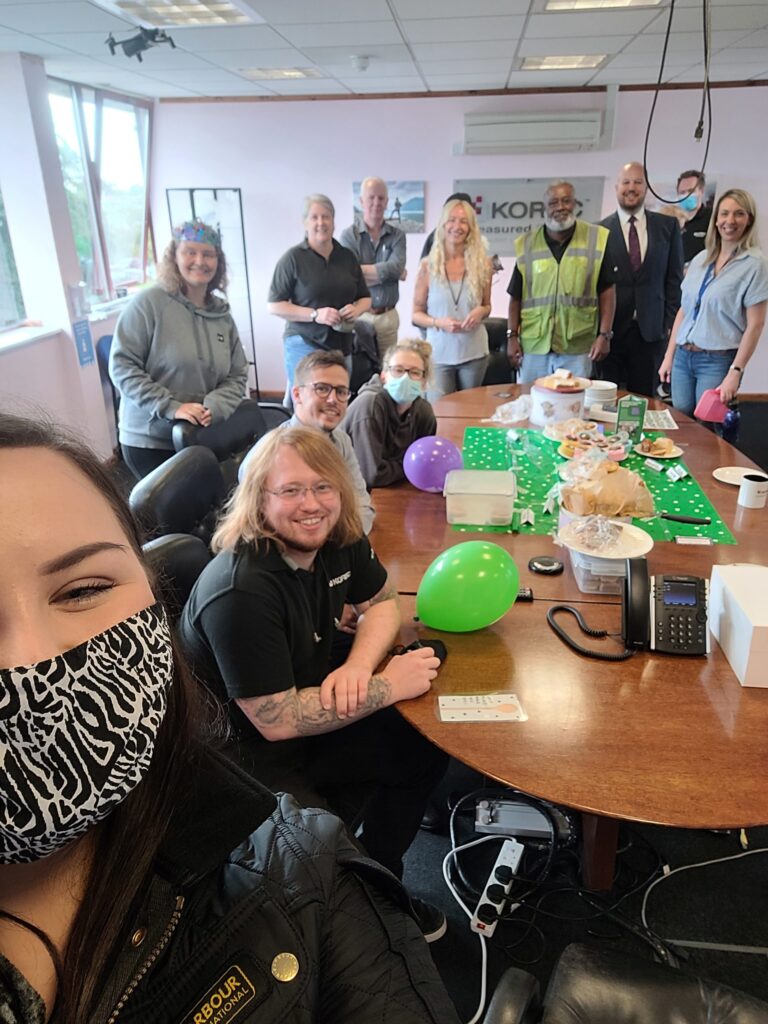
As the photos attest, the turnout was great, and the quality of bakes was very high. Lloyd had a very challenging time taste-testing all of the treats, but eventually the winner was crowned – congrats to Laura, who was awarded with a beautiful Tiara for her efforts!!
Most importantly, besides the joy of getting together again and enjoying some lovely home-baking, our teams raised over £230 in funds – matched by KOREC, that’s £460 to help fund the vital work of MacMillan nurses. Now that’s something truly worth celebrating.
A huge thank you to all our wonderful colleagues who baked, ate, and raised cash!