The science of land surveying goes back centuries and its impact can be seen everywhere when you look out of your window.Wherever homeowners need to establish property boundaries, wherever developers want to make sure it’s safe to break ground, and wherever vital infrastructure like roads and pipelines need to be established, the first action taken is to employ a surveyor.
In its simplest terms, land surveying is the act of taking accurate measurements and mapping to determine a plot’s characteristics, size and boundaries. The same tools have been used by land surveyors to perform land surveys for hundreds of years. Although, many of them have since received a digital makeover to ensure greater accuracy and precision as well as easier recording.
Land surveying is carried out for a variety of reasons, and standards within the industry are growing more stringent, but land surveyors still tend to use the same tried and tested techniques and equipment.
But, how do you do a land survey?
Here, we’ll look at the reasons land surveys are carried out, what land surveyors are looking for when carrying out their work, and how long the process usually takes.
Why are surveys needed?
Land surveys are commissioned for a range of reasons, from establishing boundaries and supporting construction or renovation work, to obtaining planning permission and satisfying mortgage lender requirements. For a full breakdown of why a survey might be needed, see our guide on what a land survey is.
What are surveyors looking for?
We have established that the science of surveying is mostly a sophisticated form of measuring.
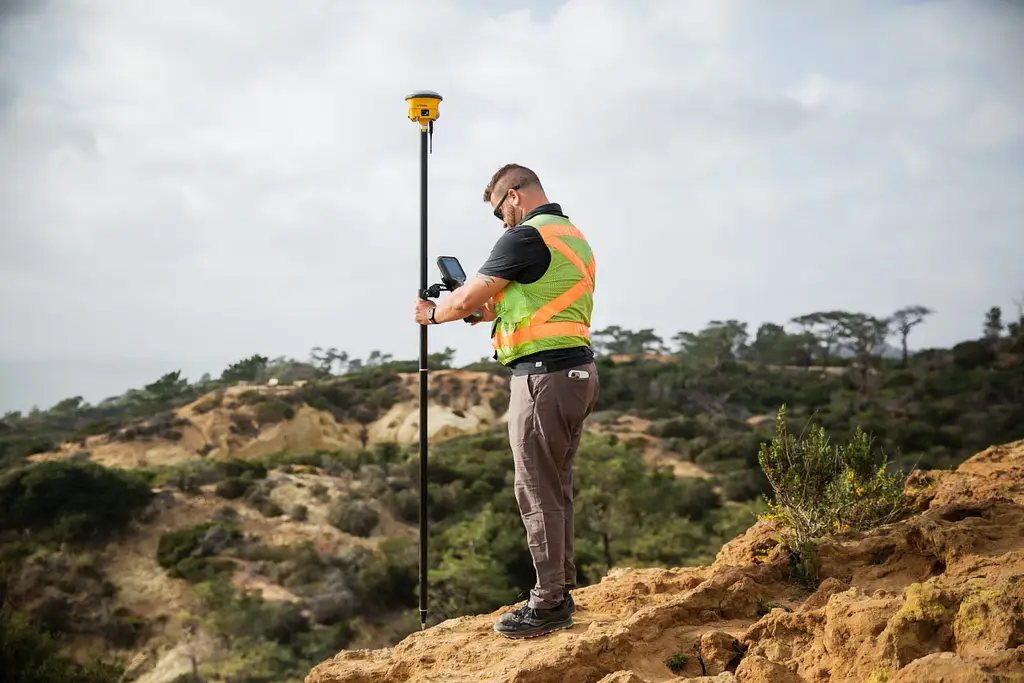
It incorporates technologies as advanced as GPS and laser scanning, and as rudimentary and timeless as spirit levels and measuring wheels. But what are surveyors looking for when they carry out these measurements?
Each is looking for something subtly different. However, the overall aim of any kind of survey is to measure a plot of land as comprehensively and accurately as possible.
What do surveyors check?
What a surveyor checks depends on the type of survey being carried out, from boundary lines and legal descriptions through to construction site conditions and soil composition. For a full breakdown of survey types, see our guide on what a land survey is.
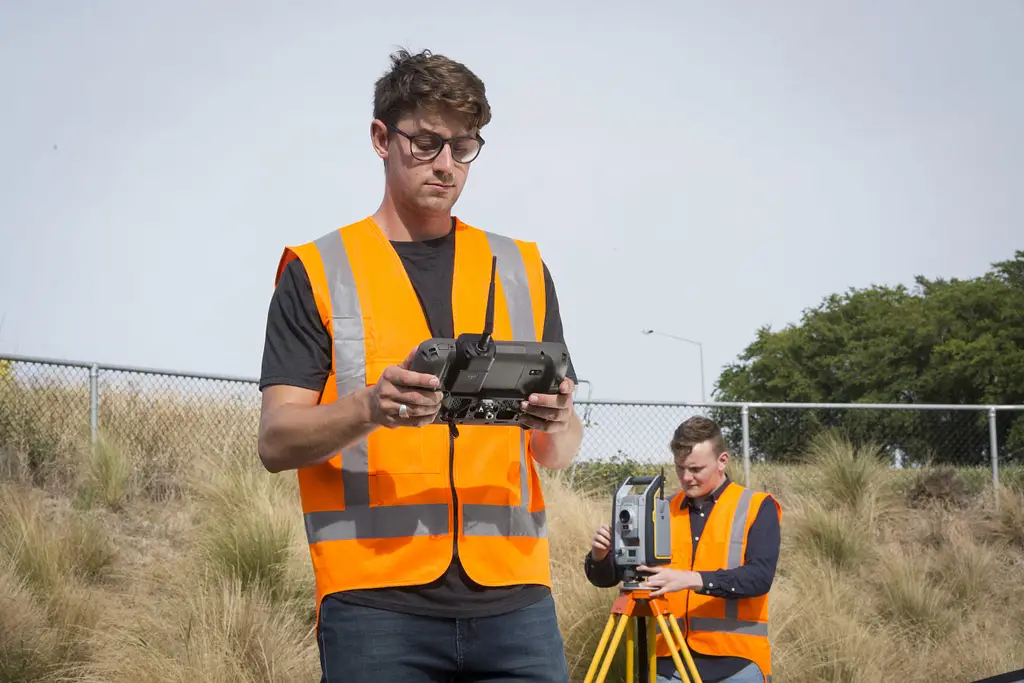
One survey type worth expanding on here is the geodetic survey, which measures the size, dimensions, and characteristics of large areas of land. Geodetic surveys may use laser mapping, GPS receivers, and total stations to determine the precise position of control points, creating accurate maps for navigation and satellite positioning.
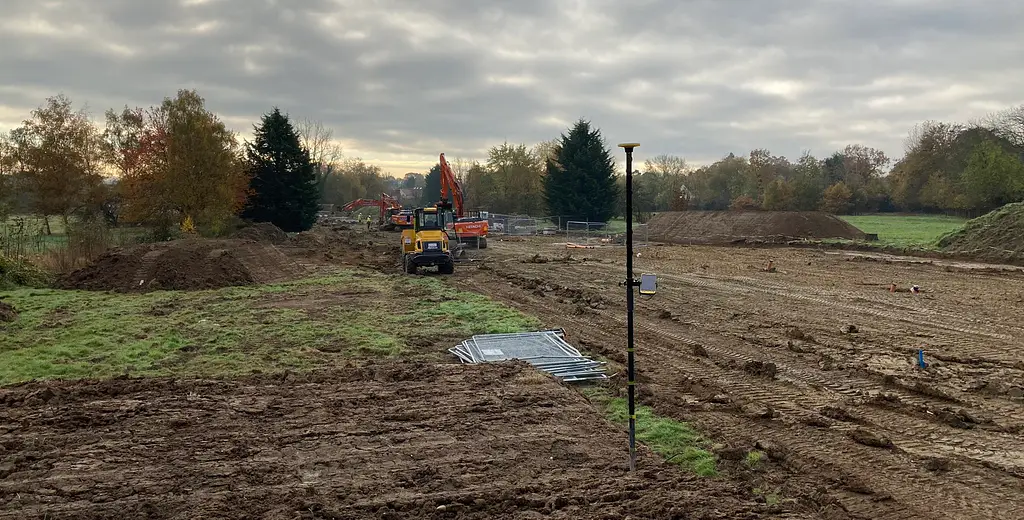
Construction surveys often conclude with an as-built survey, carried out at the end of a project to document the final location and elevation of every facet of the finished building. Construction surveying may also include monitoring settlement, water levels, and vibrations to ensure the safety and stability of new structures.
What do land surveyors use to do a land survey?
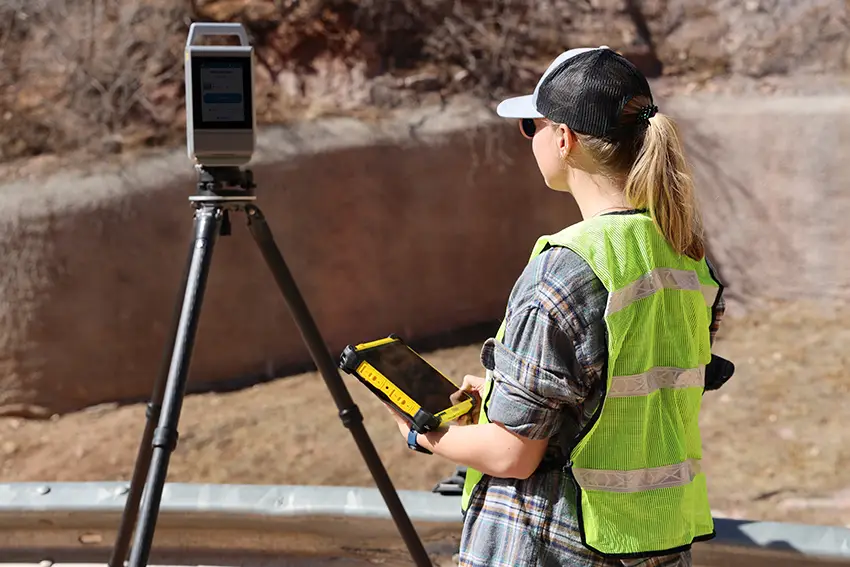
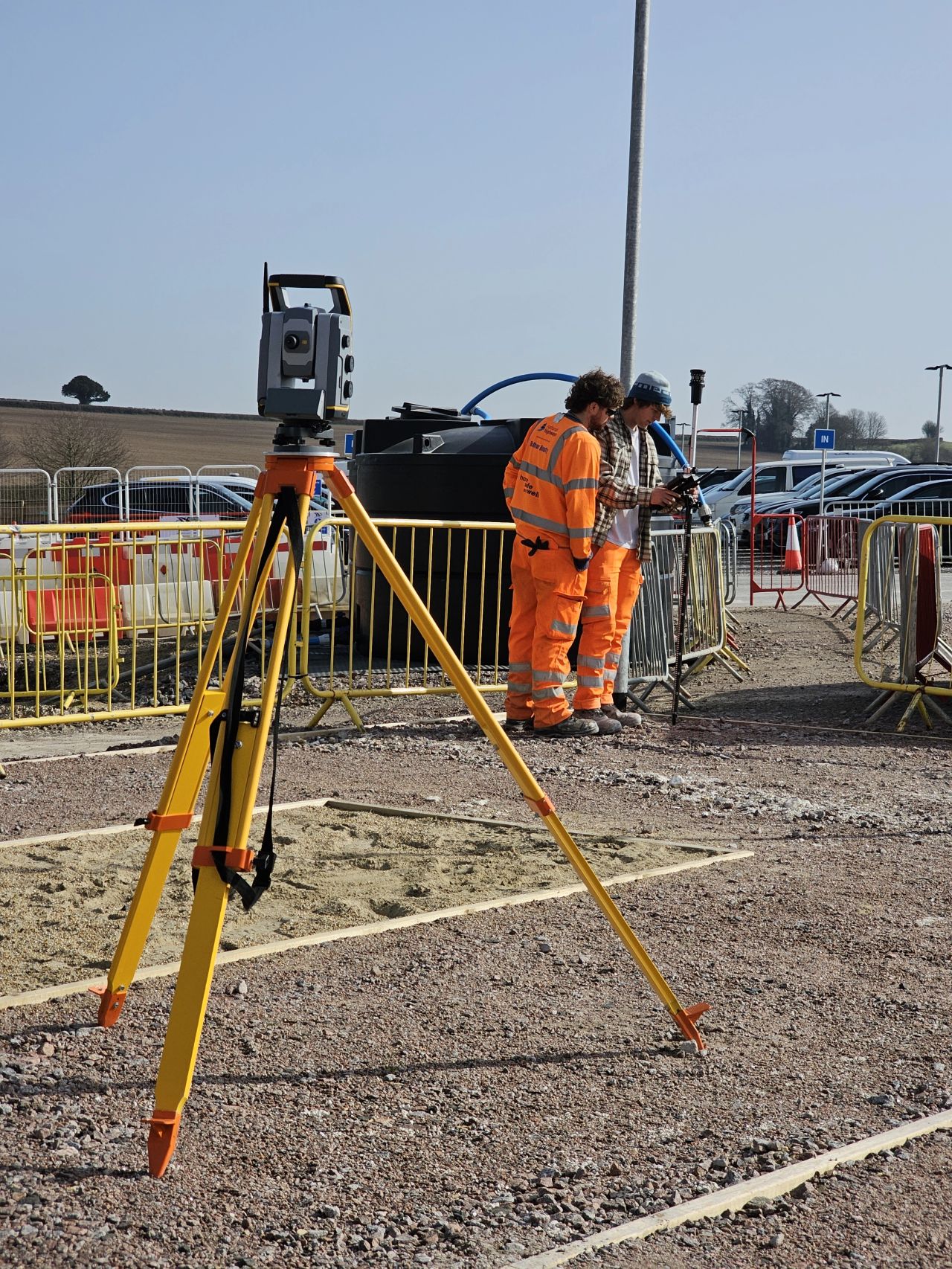
Professional land surveyors rely on a range of tools, from the total station (the modern, EDM-equipped descendant of the theodolite) to GNSS systems, digital levels, 3D laser scanners, and ground penetrating radar (GPR). For a full list of the equipment used, see our guide on what equipment a land surveyor uses.
How long does it take for a survey to be done?
Because the discipline of land surveying is extremely multifaceted with a broad range of use cases, there is huge variation in lead times between different types of surveys.
A home buyer’s survey, for instance, may be carried out in a few hours by a licensed chartered surveyor. On the other hand, a commercial land survey, or construction survey, can take much longer as it involves not only a great deal of fieldwork, but the retrieval and interrogation of legal documents or even an analysis of the soil beneath the land.
These types of land surveys can take between 30 and 60 days.
However, new advances in the field of land surveying equipment are continually working to reduce unnecessarily long lead times by providing faster and more precise measurements with more robust field data storage – reducing the capacity for human error and resulting in fewer checks required.
Frequently Asked Questions
Does construction surveying include monitoring after building work is complete?
Yes. Construction surveying can include monitoring settlement, water levels, and vibrations to help ensure the ongoing safety and stability of new structures.
How long does a home buyer’s survey typically take compared to a commercial survey?
A home buyer’s survey may be carried out in just a few hours by a licensed chartered surveyor, while a commercial or construction survey can take between 30 and 60 days, due to the fieldwork, legal document review, and potential soil analysis involved.
Is land surveying getting faster as technology improves?
Yes. Advances in land surveying equipment are continually working to reduce lead times by providing faster, more precise measurements with more robust field data storage, which reduces the potential for human error and the number of checks required.
Let us help you choose the right Survey Equipment
KOREC can advise you on the right land surveying equipment for your business. Speak to our friendly experts today to get the right technology to solve your project challenges.
Latest Advancements in GNSS Receiver Technology: Inside the Trimble ST30
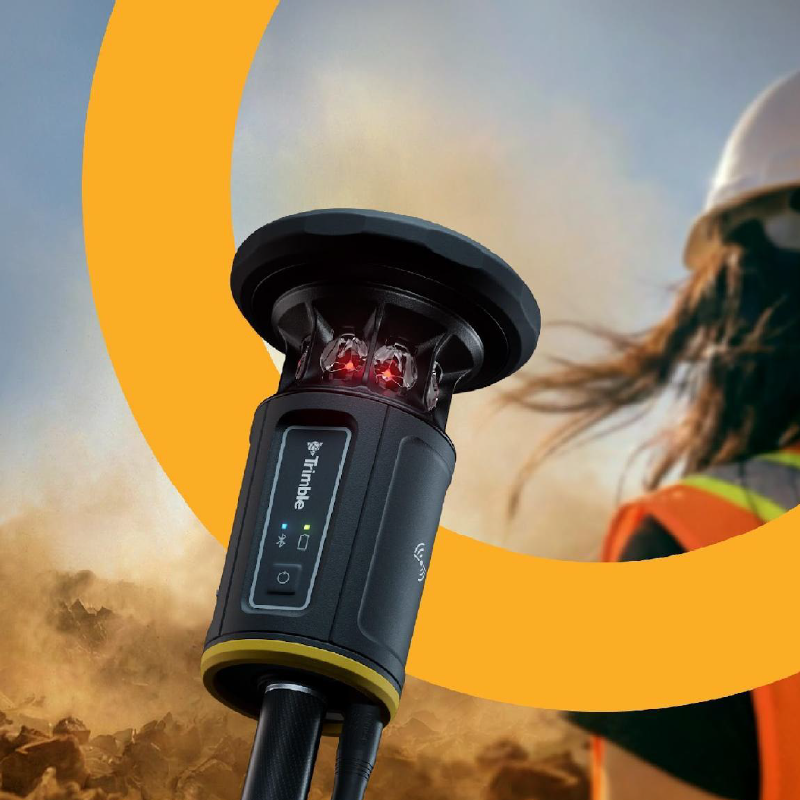
An in-depth look at the Trimble ST30 smart target, covering how it brings tilt compensation to total station measurements for the first time, alongside automatic rod height, industry-leading optical tracking...
How 3D Laser Scanners Are Used at Crime and Collision Scenes
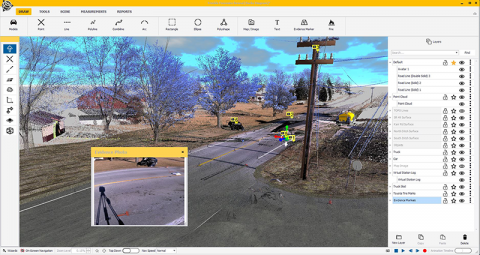
Find out how 3D laser scanners capture complete crime and collision scenes in minutes, why speed matters for scene clearance, and how point cloud data supports evidence analysis and court...
What Equipment Is Used in Forensic Scene Documentation?
Discover the geospatial equipment used at crime and collision scenes, from 3D laser scanners and total stations through to GNSS, and how each tool contributes to accurate, court-ready documentation.