

New technology, fresh thinking and a community full of ideas. KTUC26 showed what’s possible when people come together to find better ways of working.
KTUC26 – Putting Innovation to Work
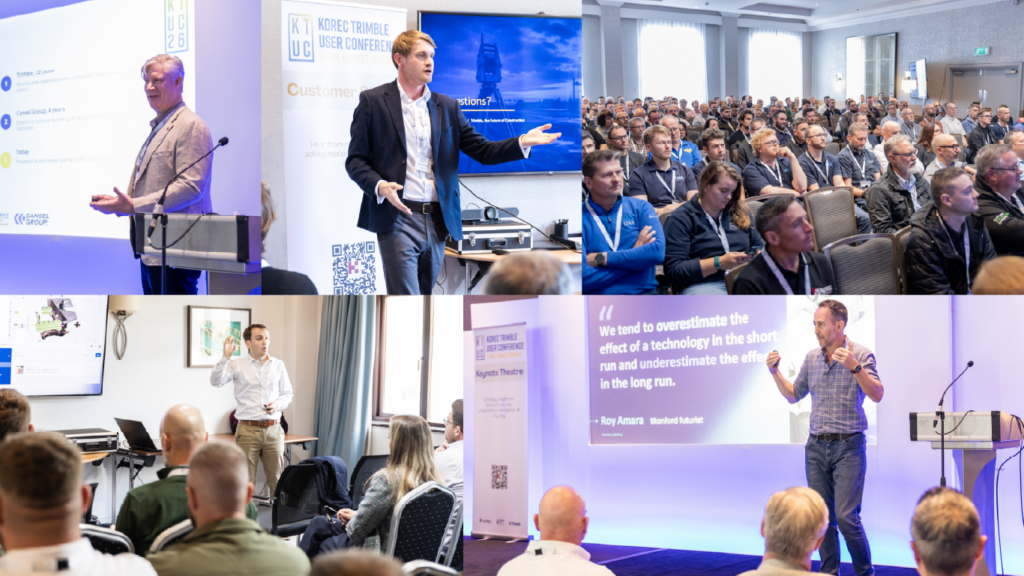
The outdoor demos were busy, the exhibitor zone was packed, and the conversations carried on long after the presentations finished. Nearly 200 people, over 40 sessions and two days of ideas, demonstrations and conversation. KTUC26 brought the geospatial community together to explore better ways of working… and there was plenty to talk about!
For us, one theme stood out across the event: innovation is as much about how you work as what you buy. There was exciting new technology to try, alongside plenty of discussion about getting more from existing equipment, improving processes and helping people adapt to change. The conversation kept returning to how we can work better, make more of our data and turn good ideas into everyday improvements.
“The conversation kept returning to how we can work better, make more of our data and turn good ideas into everyday improvements.”
Highlights from the day
The outdoor demos were busy, the exhibitor zone was packed, and the conversations carried on long after the presentations finished. Nearly 200 people, over 40 sessions and two days of ideas, demonstrations and conversation. KTUC26 brought the geospatial community together to explore better ways of working… and there was plenty to talk about!
Ron Bisio, Trimble
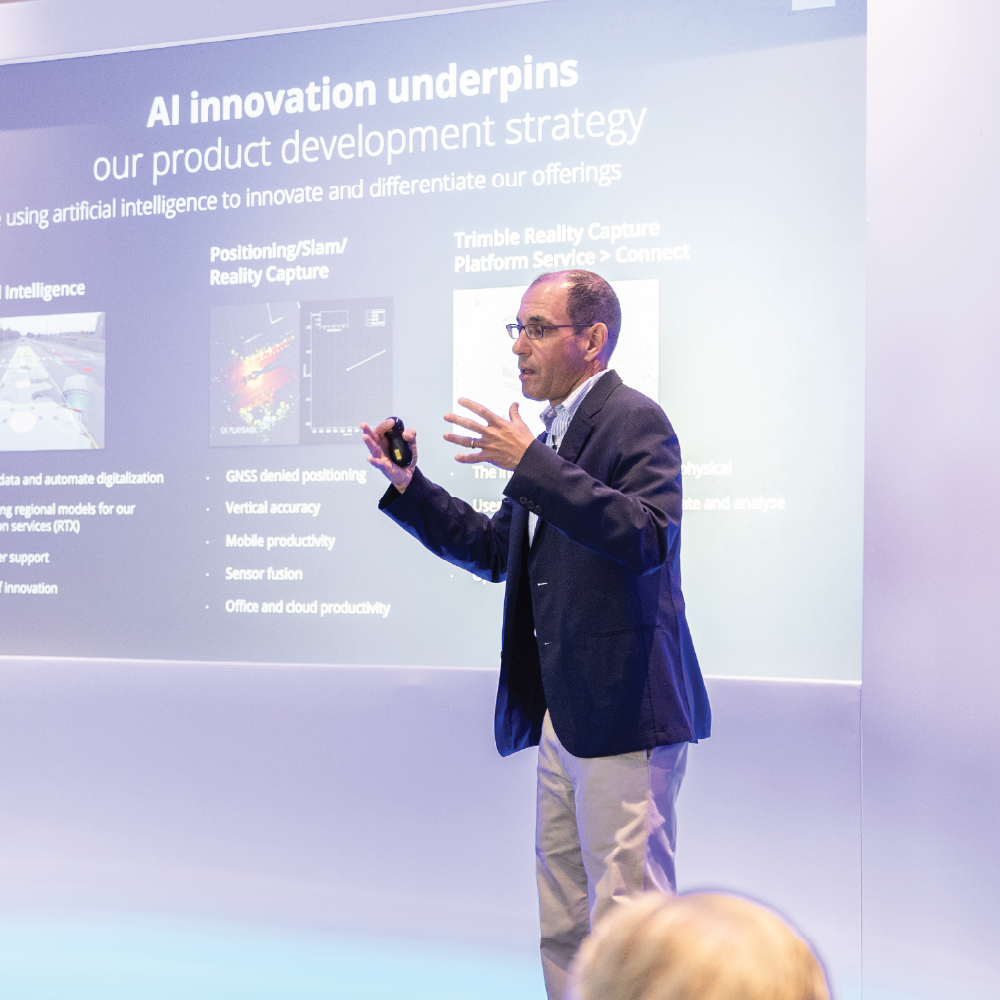
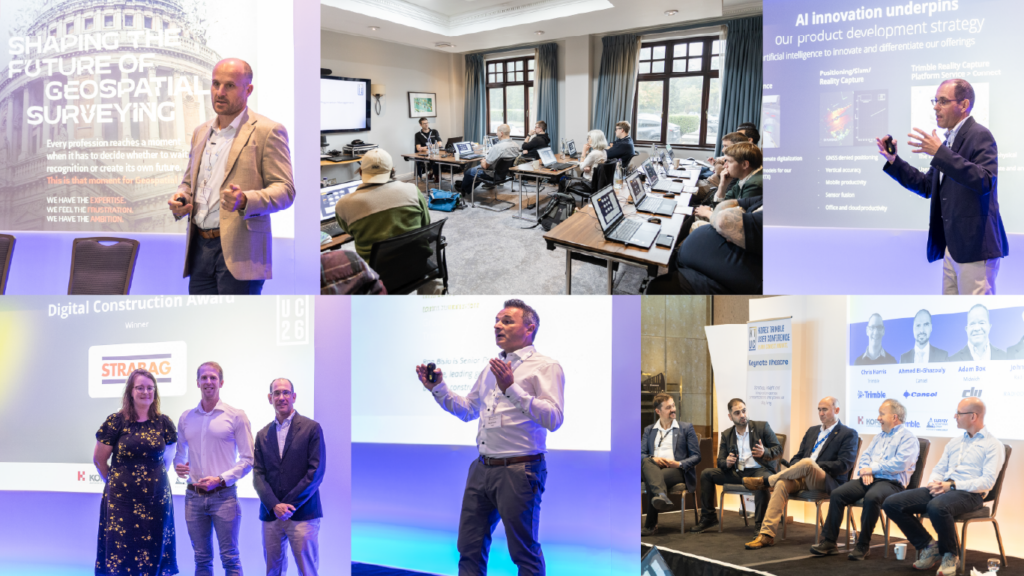
Ron Bisio, Group President of Trimble Field Systems, flew into the UK especially for KTUC, and he gave us all a deeply interesting and insight-packed keynote presentation. His talk included some exciting info about the future of Trimble’s innovation.
Podcast Recording
With some last-minute line-up changes, Liam H of Trimble gamely stepped in to host the Benchmark Podcast – watch this space for the episodes coming soon!

Live Drone Flights
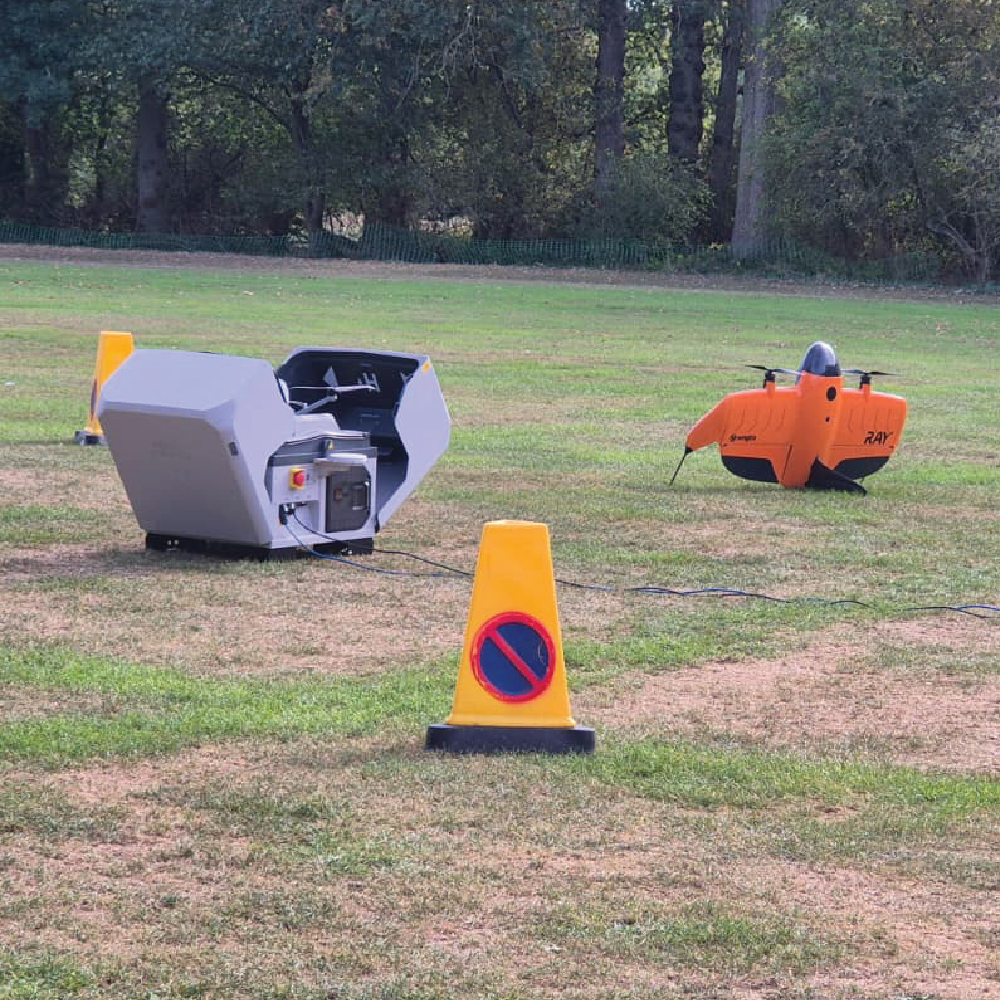
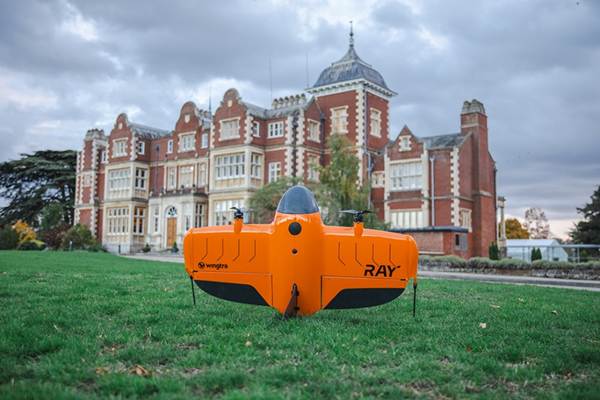
The Wingtra RAY and DJI Dock were wowing customers and other exhibitors alike on our Flying Field. Also in attendance was our new mobile mapping vehicle, affectionately known as ‘The Beast’.
Technical Tracks
Across both days of the event, there was a series of classroom and practical technical talks covering the full range of Trimble technology, from tips on getting the most out of Trimble Connect, Mobile Mapping walkthroughs, integrated surveying, utilities survey tips, GNSS advice from the Ordnance Survey – and much more.
Innovation starts with how you work
Across the presentations and conversations between sessions, people were sharing ideas for doing things differently. Some involved ambitious uses of new technology, and others came down to taking a careful look at an everyday process and asking whether it could work better.
There’s far too much to cover in one blog, but I’d like to spotlight the customer stories track. Two customer presentations in particular give us a flavour of those discussions. One of the strongest examples came from Kirsty McGuinness of Lastmile. Her presentation made an important point: buying new technology is only one part of making a business more innovative.
The real work is in implementation. How do you introduce a different process? Help people become confident with it? Manage the transition from familiar routines to a new way of doing things?
These questions deserve as much attention as the equipment or software itself. Even the most capable technology needs people who understand how to use it, processes that support it and a clear purpose behind the change.
Kirsty’s insights gave that side of innovation the attention it deserves. They also reflected a wider message at KTUC26: finding a smarter workflow can be just as significant as discovering a new piece of kit. Sometimes the biggest opportunity is to get more from the technology you already have.
“Finding a smarter workflow can be just as significant as discovering a new piece of kit. Sometimes the biggest opportunity is to get more from the technology you already have.”
Pushing the boundaries in the field
Jacob Armstrong of Dynamic Ground Solutions (DGS) brought another perspective, showing how the business is pushing the boundaries of automation and remote operation using Trimble SX and DJI Dock technology.
His talk demonstrated the ambition within our customer community to rethink how work gets done. It takes curiosity and commitment to look at an established process and ask how much of it could be automated, operated remotely or organised differently.
That’s what makes customer presentations such an important part of KTUC. They give other businesses the chance to learn from people tackling these questions in practice, with all the decisions and adjustments that involves.
Together, Kirsty’s and Jacob’s contributions captured two essential parts of innovation: exploring what technology makes possible, and doing the work needed to make it effective.
Thinking differently about data
Ben Legg’s AI talk was another highlight, exploring how technology and innovation are changing the way businesses think about data. It was a particularly relevant subject for an audience whose expertise lies in capturing and understanding information.
One of the standout quotes from the event neatly expressed the opportunity “A survey done once is a cost. Survey data used multiple times is an asset.”
It’s a powerful challenge to think beyond the immediate deliverable and it’s a thought worth taking back to the office. A survey may be commissioned to answer one question, but its usefulness doesn’t necessarily end when that job is complete. The same information could support another team, answer a different question or help with decisions later in a project.
That depends on people being able to find, understand and use it. How we manage and share data therefore deserves as much thought as how we capture it.
It also opens up a valuable conversation with clients. What else could this information do for them? Who else might need it? Those questions can change how people understand the value of a survey.
That idea connected so much of the event. Better workflows help good information reach the people who need it, when they need it.
“A survey done once is a cost. Survey data used multiple times is an asset.”
Getting hands-on with technology
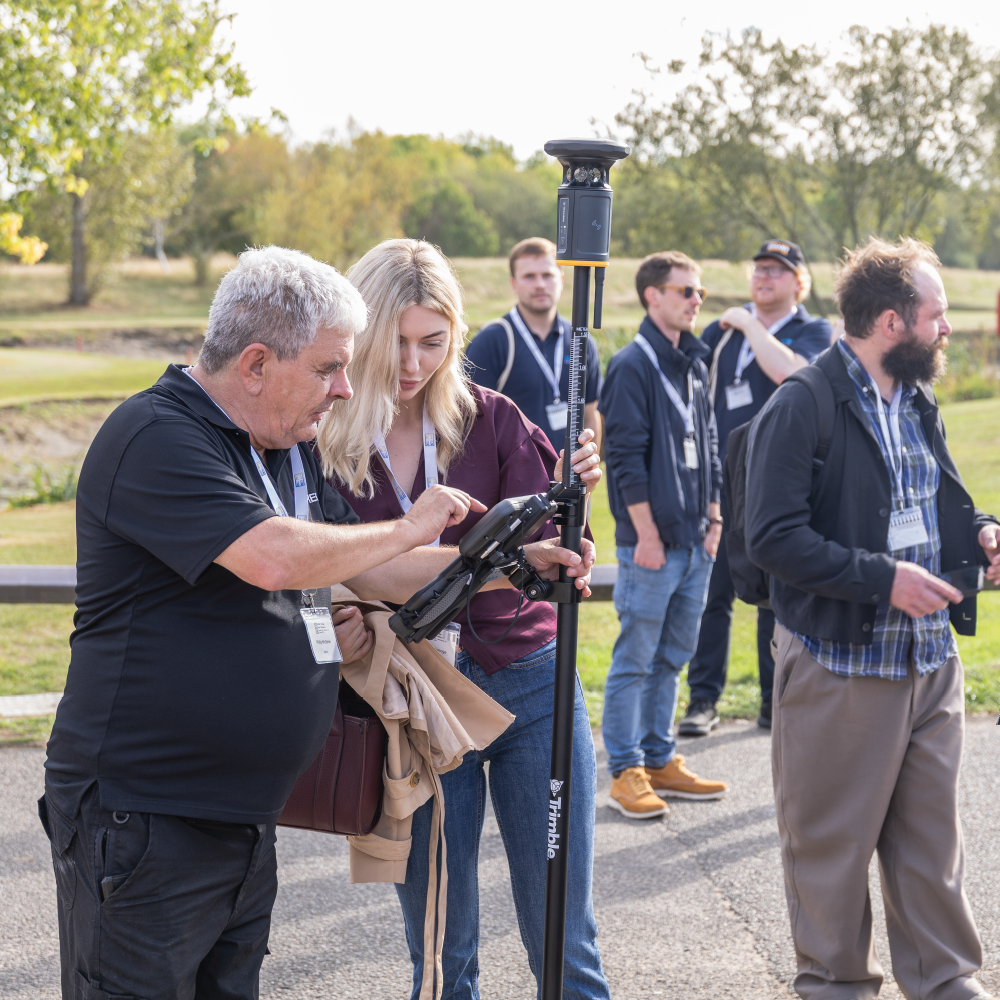
Outside the DemoZone was busy throughout, with flights of the Wingtra Ray and DJI Dock, but also a particular buzz around the new Trimble ST30 smart target. KTUC26 gave delegates the first UK & Ireland opportunity to get hands-on with it, and plenty were keen to take a closer look.
There was the full range of Trimble and partner technology at KTUC26, and seeing equipment in action is often when the useful questions begin. How would it fit into your current setup? Where could it save time? What would it change about the way you work?
The outdoor areas gave people room to explore those questions with the kit in front of them and experts on hand. The enthusiasm around the ST30 made it one of the event’s most talked-about highlights.
Book a personalised Trimble ST30 Demo!A packed exhibitor zone
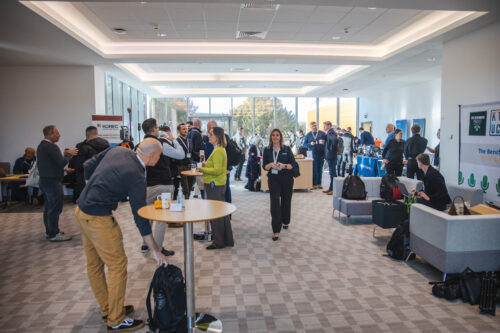
Inside, the exhibitor zone was just as lively. Having customers, manufacturers and specialists together made it easy to follow up on something from a presentation, ask a specific question or investigate an idea.
Those informal conversations are a big part of KTUC’s value. A session might get you thinking about a different approach; a chat afterwards can help you work out where to start.
With so much expertise available, there were opportunities throughout the event to look at how equipment, software and processes could work better together.
Celebrating the people making a difference
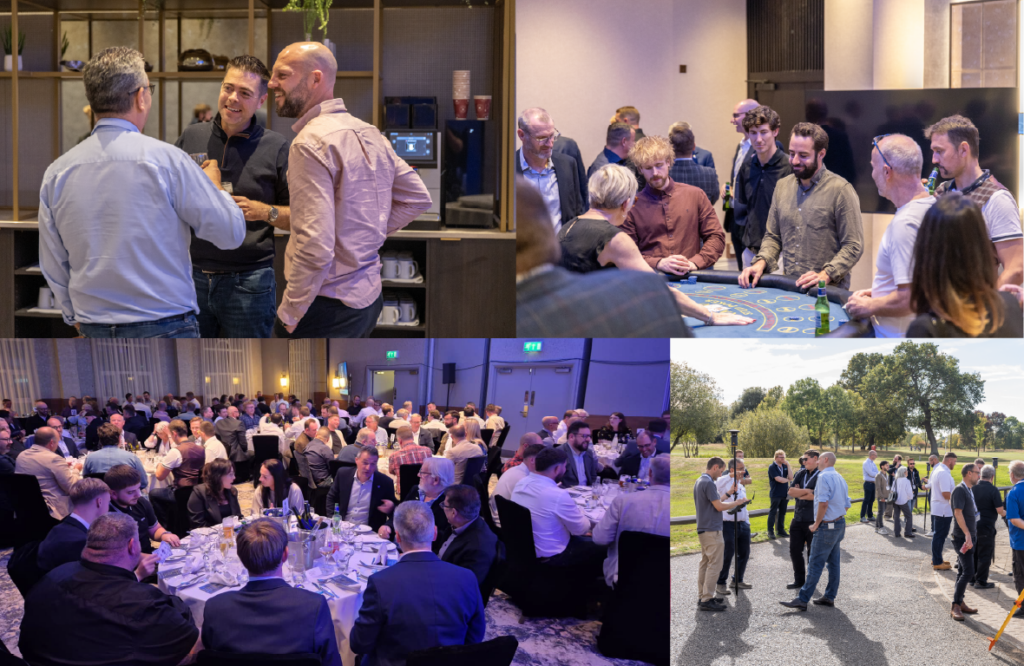
After a full day, the gala dinner gave everyone time to relax and enjoy each other’s company. The awards that followed were a special highlight, recognising achievement across the community. Congratulations to our KTUC26 award winners! Formula 1 added a memorable touch with a video sent in from the track. It was a fantastic contribution to an evening celebrating the people and organisations taking our industry forward.

Trimble Innovation Award
Formula 1
Digital Construction Award
STRABAG

Emerging Talent Award
Owen Howells, Railscape

KOREC T.R.U.S.T Award
Nadia Oliveira

Lifetime Achievement Award
Mike Roller, Galliford Try
From emerging talent to a lifetime of achievement, the awards gave us the chance to recognise the commitment behind the progress, and to celebrate it together.
Time to be a community
The dinner, entertainment and networking received some of the warmest feedback of all. People appreciated having time to catch up, get to know new contacts and carry on the day’s conversations without rushing off to another session.
KOREC Managing Director Mark Poveda perhaps summed it up best as “giving the community an opportunity to exist”.
That really encapsulates up why we put on KTUC. There’s an enormous amount of knowledge and experience in the UK & Ireland geospatial industry, but busy working days don’t always leave much room to share it. Getting together makes that possible.
Thank you to every speaker, exhibitor, partner, colleague and delegate who made KTUC26 such a success. We hope you’ve gone back to work with useful ideas, a few new contacts and something you’re keen to try. We’d love to hear how you get on!




Work smarter with KOREC
Upgrade your workflows
Discover how KOREC’s combination of technology and real-world experience can help your geospatial business work smarter.


- Trimble Catalyst
- Soarvo software
- KOREC consultancy
- …and Tony Fahey – a truly inspirational 82 year old

Tony Fahey on the aqua elliptica
Here at KOREC, we’re used to helping our customers deliver projects through innovative use of Trimble technology. But every now and then, a truly unusual request comes along that reminds us why we love what we do and why, behind the scenes, it’s not all about construction, surveying and engineering.
Earlier in the year, we were delighted to be invited by the UK’s largest dedicated surveying business, Survey Solutions, to play a key role in an inspirational world record attempt by a truly motivating 82-year-old, retired businessman, Tony Fahey.
His name may sound familiar because he was once one of the fastest powerboat racers in the world holding multiple records. It’s therefore brilliantly fitting that his latest record attempt is quite possibly the slowest of his life: a 24-hour “walk on water” challenge to raise money for the children’s charity Make-A-Wish UK. Instead of a thundering powerboat, Tony and his team are propelling a human-powered aqua elliptica – imagine a cross-trainer on water – around Sale Water Park near Manchester.
But how do you measure Tony and his team’s progress on water, and provide distance and time information for verification by the Guinness Book of Records?
Step forward KOREC’s Rob Partridge, and John Cartledge and Soarvo’s Paul Brodin.
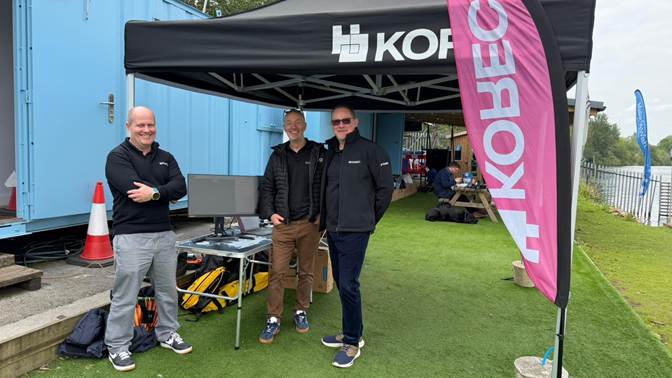
The KOREC and Soarvo team, Rob Partridge, Paul Brodin and John Cartledge
What was needed
- Live GPS tracking of the aqua elliptical
- Accurate recording of a position every second, distance, speed, and timing
- An interactive public display so supporters could follow Tony’s progress in real time
- The verifiable data needed for official record ratification (Guinness World Records approval is currently underway)
The challenges
- The battery life of the proposed GPS positioning system was based on a full day’s work rather than the 24 hours required
- The system would have to be positioned on the craft away from all moving parts
- The Soarvo software would need to be customised to record the pinged positions every second rather than the usual every 15 minutes
How it was done – collaboration!
- Trimble Catalyst is an incredibly easy to use GNSS system made up of a DA2 Trimble Receiver and a subscription based on accuracy, in this case centimetre positions were required. The system would be linked to a Trimble TDC600 data logger running the Soarvo software app which would ping positions
- Following extensive testing on dry land and then on the aqua elliptica by Rob and John, the perfect position was found to mount the system on a seat pole that had been left on the craft
- Meanwhile, John had calculated exactly what was needed battery wise to keep the system running for 24 hours. Three options were assessed and the ‘least intelligent’ selected so that it would not manage its own power and potentially turn itself off during the world record attempt
- Soarvo’s Paul Brodin customised the Soarvo software to record a bread trail every second rather than every 15 minutes
- This information would be transmitted to Soarvo running on a laptop at the edge of the water to provide live updates on positions and times
- A form was built to record the 86,400 points (every second for 24 hours)
- A back up system and battery were prepped
On the day
Following a couple of dry runs, the world record attempt began with Tony kicking off the first leg, completing an exhausting single continuous effort of 2 hours and 20 minutes, covering 5 miles – the longest single stint by any team member.
The rest of the challenge was completed as a relay by his family team who rotated in shifts through the night.
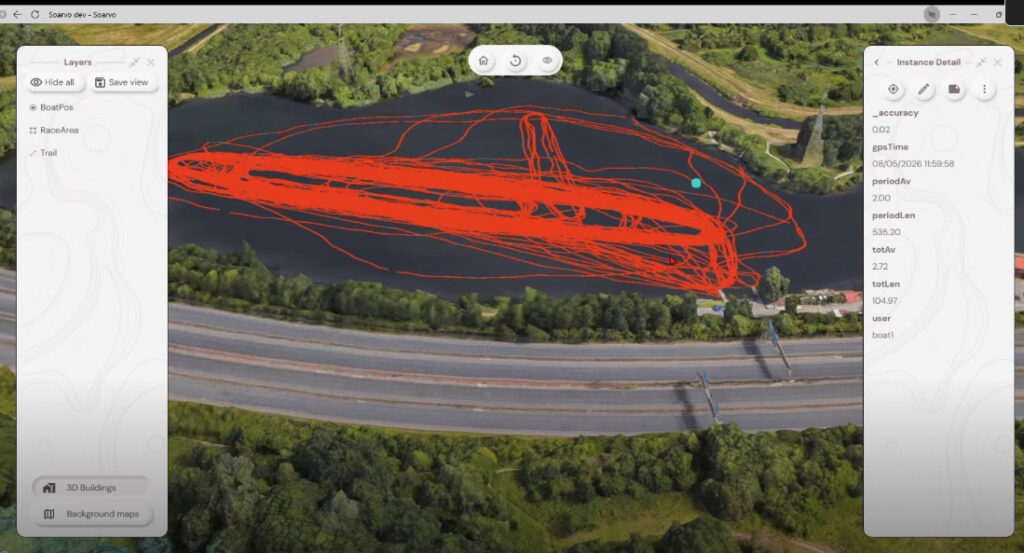
Soarvo software was used to update the public
From the land Rob and John tracked the system’s performance and both took turns in the rescue boat where they were pleased to report that the site of the system’s solid blue light and glow from the TDC600 screen provided reassurance that everything was working correctly.
Due to the low temperatures affecting the battery life, Rob and John disconnected the TDC600 from this source letting it run on its own internal battery towards the end of the WR attempt.
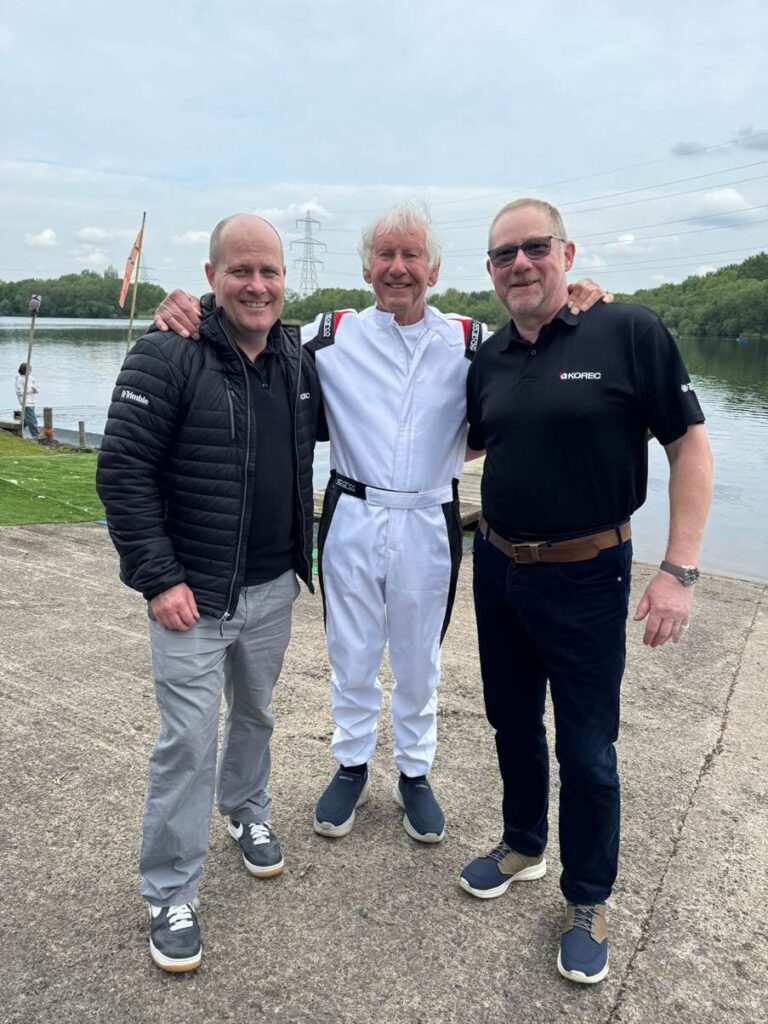
Rob, Tony and John
Achieving the world record
Success! Four world records were successfully achieved by Tony and the team and a huge sigh of relief came from the KOREC crew who’d had a fun but definitely stressful time to ensure that every contingency had been planned for in Tony’s very special attempt.
- Walking on water for 2 hours (longest continuous duration)
- Walking on water for 5 miles (longest distance in one continuous go)
- Walking on water for 24 hours (full endurance duration)
- Over 100 km walking on water (total team distance: 104.97 km / ~65.2 miles)
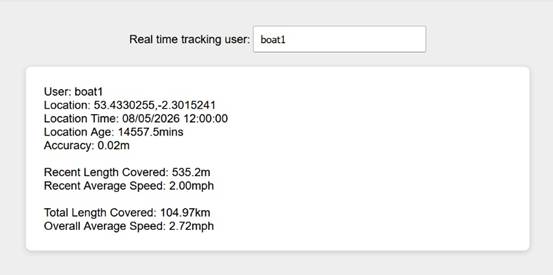
Progress was broadcast live via Soarvo
Over £30k was raised for the charity and Tony is already planning his next challenge. Find out more on Instagram @toneyfaheyofficial.
Please do make a donation to Make-A-Wish UK via Tony’s JustGiving page.
Technical take-aways
Soarvo is highly customisable for powerful and specific tasks with just a small amount of configuration that most can do.
Trimble Catalyst is extremely reliable and performs way beyond its price point functioning for 24 hours with no glitches or crashes.
Tony’s motivation
Tony’s challenge follows a near-death, life-changing accident in February 2021, when he was struck by a car travelling at 50mph while out on his daily walk. He sustained severe injuries that required emergency surgery and 18 months of intensive rehabilitation.
The Charity: Make-A-Wish
The challenge marks the first in a planned series of water speed and endurance record attempts, all designed to raise as much money as possible to help grant life-changing wishes for children living with critical illness. The charity is especially important to Tony:
“A few years ago, I met a young boy who was unwell. We talked about boats, record breaking speeds and my time on the water. He was fascinated by it all. I told him I wanted to help make one of his wishes come true.
I went back to see him again, hoping to take him with me on the water. I was an hour too late.
That moment has stayed with me ever since.
Make-A-Wish® UK helps create life-changing wishes for children living with critical illness, giving them and their families moments of joy, hope and precious memories when they’re needed most. Supporting this charity is very personal to me, and it’s at the heart of everything I’m doing now.”
Good luck in your future challenges Tony!
A wise man once said ‘Gold (gold). Always believe in your soul’*. And whilst Spandau Ballet peaked at number 2 on the UK charts with that classic, here at KOREC we are feeling on top of the podium as we’ve hit double gold for Investors in People / Investors in Wellbeing (IIP/IIW).
Our IIP/IIW journey began back in 2023 when we were first assessed – being awarded ‘Standard’ grade for People, and ‘Silver’ for Wellbeing.
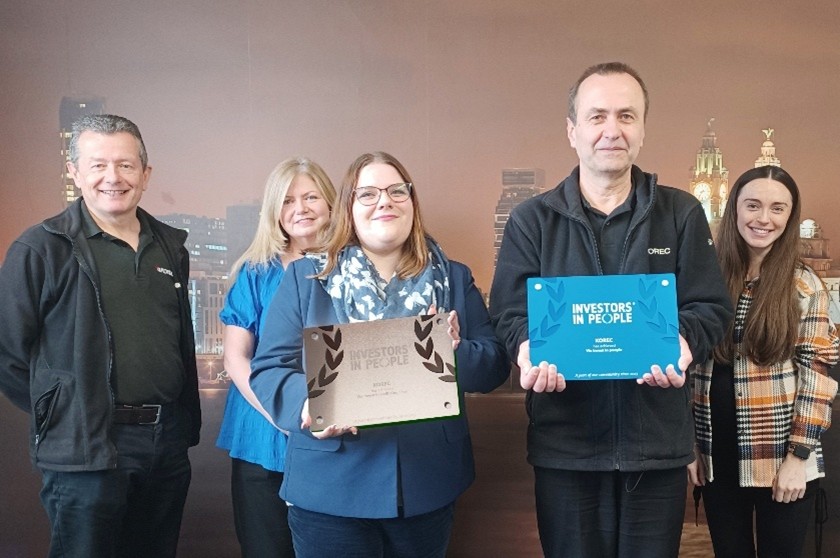
We admit to some slight apprehension during our reaccreditation in January and February. After all, we were being surveyed in what is undoubtedly the bleakest period of the year, and immediately following the news of our acquisition by the Cansel Group – would people be feeling uncertain about their future?
We had no need to worry.
It turns out, even in the bleak midwinter, our people are feeling happy, valued and empowered. There are SO many statistics we could share with you, but there was one that really jumped out at us.
100%, yes that’s every single person, said that they find their work interesting (!).
I am always encouraged to push, use my initiative and go the extra mile’
IIP survey respondent, February 2026
Not only is that a wonderful for them, and for us as a business, but it’s great news for you, too. That’s because the stats show that happy, engaged colleagues are 3 times more productive than unhappy ones.
And it isn’t just about the happiness, wellbeing and productivity of the people we already have. Four-fifths of Investor In People organisations say attracting new talent to their business is more effective – wouldn’t you want to work for a business where 100% enjoyed their work?
Here’s some of the other amazing stats
- 98.8% agree that KOREC is a great place to work. Not a single person disagreed.
- 94% trust both their managers, and their leaders
- 94% also say that the company meets their wellbeing needs
- In fact, our Wellbeing score is a solid 24% above the IIW average
- 95% agree that the organisation embraces change
That change piece is something we’re particularly proud of. We all know that “acquisition” and “takeover” can be intimidating words for many people. We also know that the more informed people are about the changes, what’s happening, and why – the less scary those things become.
We’ve kept our people informed at every major stage of the acquisition – following the announcement in December – and it’s clear from these results that our people are feeling trusted and valued.
‘Engagement and communication about the future are really done well – we have had loads of information about the acquisition, which makes it feel less scary’
IIP survey respondent, February 2026
It may only be March, but with our new Cansel family and our double gold, we’ve plenty of reasons to be cheerful about 2026 and beyond.
What is Investors in People?
A global standard committed to putting people first, improving workplaces and driving success, Investors in People have been making work better since 1991.
They’ve assessed almost 60,000 organisations across 101 countries – surveying and interviewing their staff to get to the truth of what makes them tick.
Investor in People organisations can boast 17% productivity improvements – and 80% of them attract top talent more effectively.
*Yes, it was Gary Kemp. Also fun fact, the song ‘Gold’ is an homage to composer John Barry, and was especially influenced by his scores for the Bond films
KOREC Careers
Join the KOREC team!
We’re always on the lookout for talented people to join the KOREC team. Take a look at our vacancies that span our operations in UK and Ireland.

Save money on Trimble Protected coverage and Trimble Access
From March until May, Trimble and KOREC are making it easy for Trimble users to save money across Trimble Access and Trimble Protected Plans (TPP).
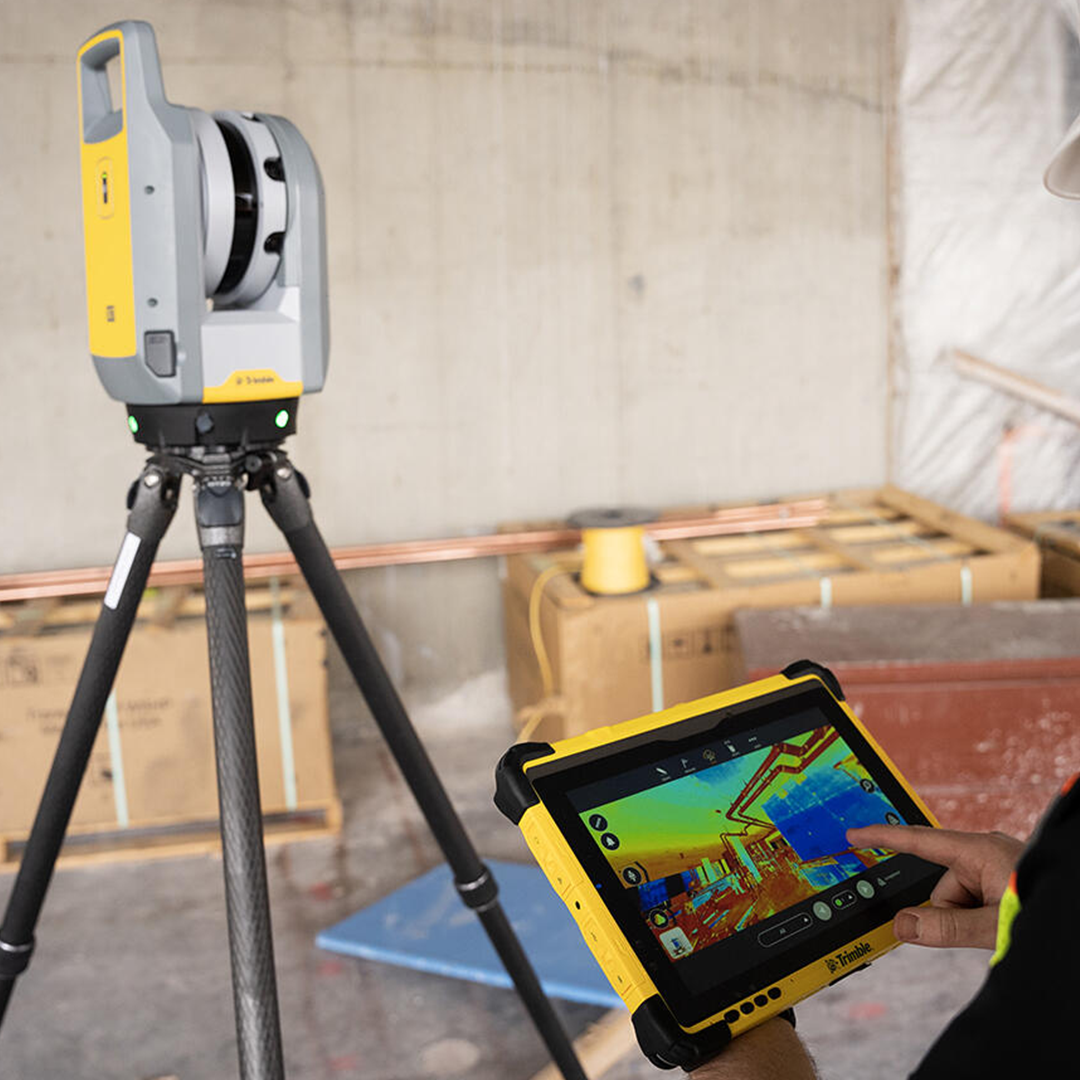
No re-enrolment fees for Trimble Protected Plans
Offer Expires: 3̶r̶d̶ ̶A̶p̶r̶i̶l̶ ̶2̶0̶2̶6̶ Extended to 8th May 2026
Looking to protect your kit?
Now customers with eligible hardware and firmware can reinstate your Trimble Protected Plan (TPP) coverage at standard in-coverage pricing! No need to pay the standard late-enrolment fees. Protect your equipment and access the latest updates without a price penalty.
Save on Trimble Access license
Offer Expires: A̶p̶r̶i̶l̶ ̶2̶0̶2̶6̶ Extended to July 2026!
Act now to keep your Trimble Access license!
Customers wanting to upgrade from a TSC3 controller can now transfer their Trimble Access license to new hardware, such as the Trimble TSC510 and TSC710 data collectors. Now is the perfect time to upgrade to faster, more capable field controllers with all-day battery life.
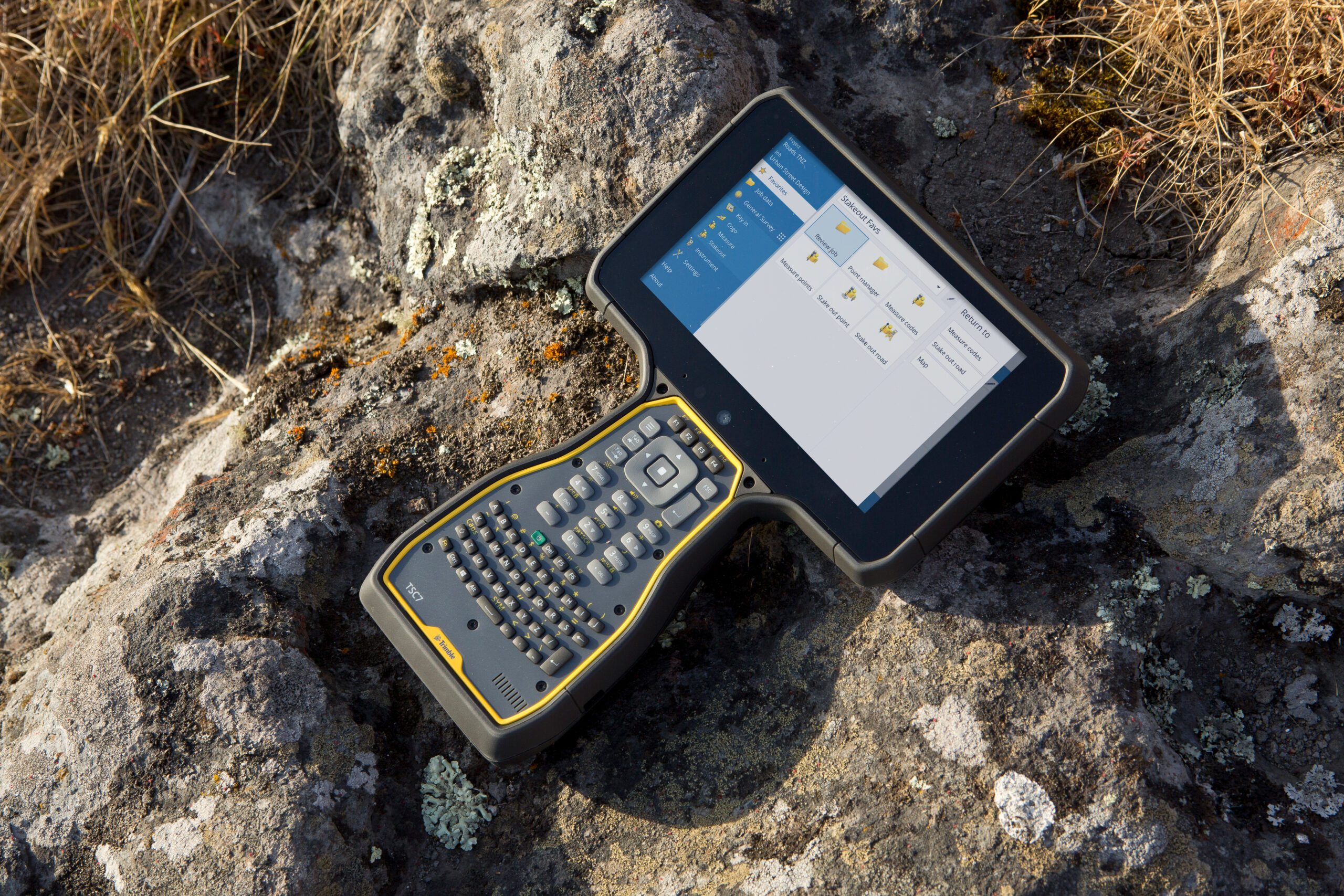
Discover Accessories
Pick up some essential accessories
Sometimes it’s the little things that keep the day-to-day work going smoothly. Browse our range of surveying, scanning, monitoring (and more) accessories and buy direct on the KOREC website.
“With hindsight… we probably should’ve seen that coming!”
Fortunately, as we move towards the end of the year, we have the next best thing to hindsight: a number of recent insights and reports from Trimble that give us a clear view of what’s coming next.
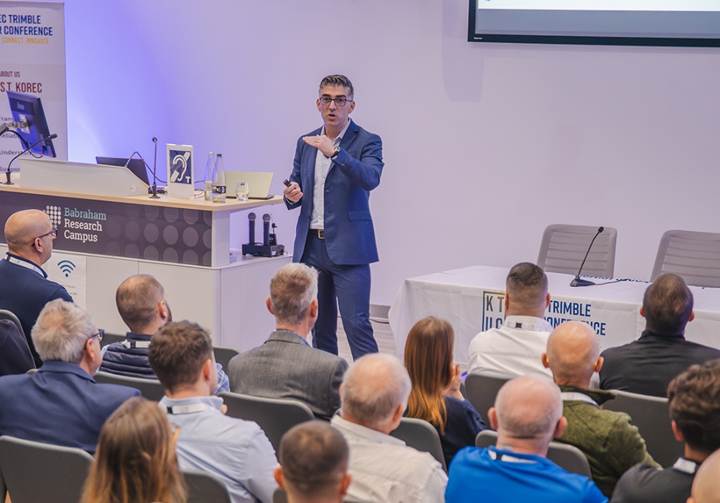
Following November’s KTUC day, we’ve been revisiting a pair of standout presentations from Trimble: a forward-looking keynote from Boris Skopljak, VP of the Geospatial Sector, and a UK-focused future of Trimble data capture session from Lee Braybrooke, Key Accounts & Alliances Director. Throw November’s Trimble Dimensions event and a newly published Trimble report into the mix and we’ve got plenty of insight as to what’s coming our way.
This piece is a quick round-up based on these sources which can all be read via the on page links.
A forward-looking keynote from Boris Skopljak, VP of the Geospatial Sector
Context and action
Our industry’s challenges are well-documented and they’re not going away on their own. The most frequently cited include a shortage of skilled people, slow adoption of digital workflows due to perceived complexity or unfamiliarity and increasingly siloed data – we’re getting better and better at capturing information, yet not nearly as effective at managing, sharing, or making the most of it.
If we are to successfully address these challenges, there are five key steps that Trimble recommends we take:
- Embrace AI and automation
- Leverage cloud solutions
- Focus on user experience
- Prioritise training and skill development
- Foster innovation
Let’s take a closer look.
1.Embrace AI and automation
It’s one of the hot topics within our industry and we already understand that automated workflows remove repetitive manual tasks, deliver faster design & modelling cycles and improve accuracy in jobsite documentation and coordination between teams. But how can we improve?
Step forward Trimble’s agentic AI platform, a collection of core services, security frameworks and tools. Built on top of this platform is Trimble Agent Studio which is currently being piloted with select customers to support its AI strategy by:
- Helping users learn and navigate Trimble software for faster onboarding and engagement.
- Eliminating the manual steps typically required to model from scratch, enabling users to generate 3D objects during design by describing what they want to model.
- Converting voice memos into documents in the field, capturing status updates from crews and helping teams avoid spending hours in front of computer screens back at the office.
- Accelerating access to data and streamlining asset maintenance and permitting workflows.
For more information, visit our recent KOREC blog
2.Leverage cloud solutions
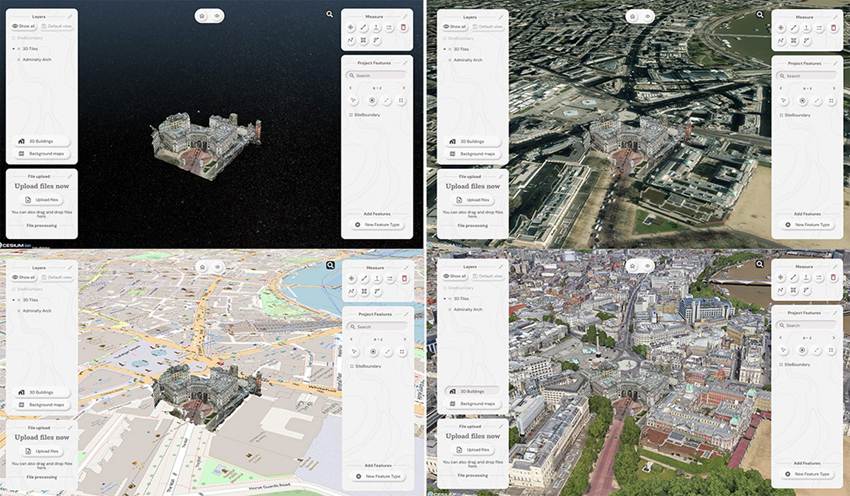
Accurate data underpins everything in geospatial and construction. It shapes decisions, affects project outcomes and keeps day-to-day operations running smoothly. Cloud platforms give you a single, central place to manage that information, making sure everyone is working from the latest, most reliable version. KOREC customers tell us time and time again that siloed data is a regular occurrence and an enormous hinderance to their progress, which is why we offer a range of cloud options – Trimble Connect, Trimble Reality Capture, Trimble Terraflex and SOARVO.
The Trimble report states that the geospatial industry will increasingly adopt cloud-based platforms for managing large datasets and facilitating near real-time field-to-office-to-field workflows for better outcomes.
Important to note is that industry users state the importance of using platforms that prioritise data security and offer robust backup and recovery options.
Leverage cloud solutions
Discover Soarvo3.Focus on user experience
A user-friendly software interface can significantly reduce the training burden and speed up the adoption process, making advanced technologies more approachable for both new and experienced users. Balancing user-friendliness with professional requirements is a key challenge and on that score, Trimble has already made great inroads. For example, the ease of purchase and use of Trimble Catalyst by those outside of our industry and of course through the massive take up of 3D Laser Scanning through the intuitive workflows of the Trimble X9 series.
Trimble predicts that developers will focus on creating solutions that offer a seamless user experience, incorporating features such as guided workflows, contextual help, and simplified data visualisation – all good news.
4.Prioritise training and skill development
Within our industry, there is an increasing emphasis on spatial awareness and digital data analysis and management, but surveyors must also have a solid understanding of geodetic principles and coordinate systems to ensure the accuracy and integrity of their work. As the industry adopts advanced technologies, surveyors must become proficient in digital tools and software.
How is that being achieved? Trimble survey respondents use on-the-job training (69%), in-person training sessions (57%) and video tutorials (56%), but approaches vary widely, with some designating an expert, some getting group support and some relying on the vendor.
The Trimble report predicts that professional development programs will likely place greater emphasis on digital skills and that the role of the surveyor will evolve to encompass both traditional surveying techniques and advanced digital methodologies.
5.Foster innovation
And finally…the Trimble report urges us to encourage a culture of innovation by leveraging the skills and perspectives of digital natives. Their familiarity with technology can drive the development of new applications and enhance the overall adoption of advanced solutions. Virtual Reality, 3D Laser Scanning, robotics, AI, Reality data capture, data analytics… today’s careers in geospatial offer numerous possibilities and are a perfect fit for the tech-savvy, early adopters of Generation Z. These motivated individuals seek a career path that allows them to evolve, to use technology in an exciting and gratifying way, and to stay relevant throughout their working life. What better match than a career in geospatial.
Foster innovation
….and just for fun
Let’s travel back a decade when Trimble’s Lee Braybrooke looked at the current year and beyond in relation to geospatial trends. In 2015 he focused on 2D-3D, Mobile Mapping, Imaging and GNSS ubiquity. 10/10 Lee! Lee’s presentation at KTUK can be viewed here.
View the Trimble report ‘State of the geospatial industry 2025’ here
Get in touchKOREC is delighted to announce that it has signed a reseller agreement with Terrasolid to sell the company’s software which is widely recognised as the industry standard for LiDAR and image data processing.
The agreement is for the UK and Ireland and covers the main Terrasolid product suite including TerraScan, TerraModeler, TerraPhoto, TerraMatch, TerraStereo and TerraBatch as well as UAV and Lite versions.
Developed specifically to meet the demanding requirements of geospatial, engineering, and environmental professionals, Terrasolid’s software provides the versatile tools needed to create everything from 3D vector models and feature extractions to orthophotos and advanced point cloud visualisations, regardless of data source or sensor.
This agreement reinforces KOREC’s position as a one-stop solution provider – hardware, software, and support & training – and enhances the company’s ability to deliver complete end-to-end workflows for 3D data capture, processing, and analysis.
“For 25 years Terrasolid has been the industry standard for processing LIDAR data from dynamic laser scanning solutions including Mobile Mapping, UAV, fixed wing, and handheld SLAM,” said Mark Reid, UK Sales Director at KOREC. “The software is agnostic and complements our existing portfolio to help customers efficiently process and extract value from their captured datasets with even greater accuracy and efficiency.”
“For Terrasolid, the partnership with KOREC represents strengthened access to a key geospatial market,” said Xabier Eraña, VP Sales at Terrasolid. “With KOREC’s deep reach into surveying, mapping and infrastructure sectors in the UK & Ireland, Terrasolid is better positioned to deliver its 3D reality-capture software to critical industry workflows.”
For more information or to arrange a demonstration, please visit www.korecgroup.com/contact
ENDS
About KOREC Group
KOREC Group specialises in the provision of intuitive software and world lead positioning technology for the measurement, mapping and management of the natural and built environment.
KOREC is the UK and Irish distributor for Trimble (www.trimble.com) and operates nationwide out of offices in Huntingdon, Liverpool, Dublin and Craigavon (NI). www.korecgroup.com
About Terrasolid
Terrasolid develops world-leading software solutions for processing 3D point clouds and imagery collected from airborne, mobile, and terrestrial sensors. Based in Finland, Terrasolid’s applications are trusted by mapping professionals and engineers in over 100 countries. www.terrasolid.com
PRODUCT SPOTLIGHT
Discover TerraScan
TerraScan from Terrasolid is the industry standard for managing and processing point clouds – a reputation its held for over 25 years. TerraScan is the main app in the Terrasolid software suite, designed to make it easy for you to manage, process and visualise point cloud data. Deliverables include high quality classified point cloud data or vector data to be used in various engineering and maintenance applications.

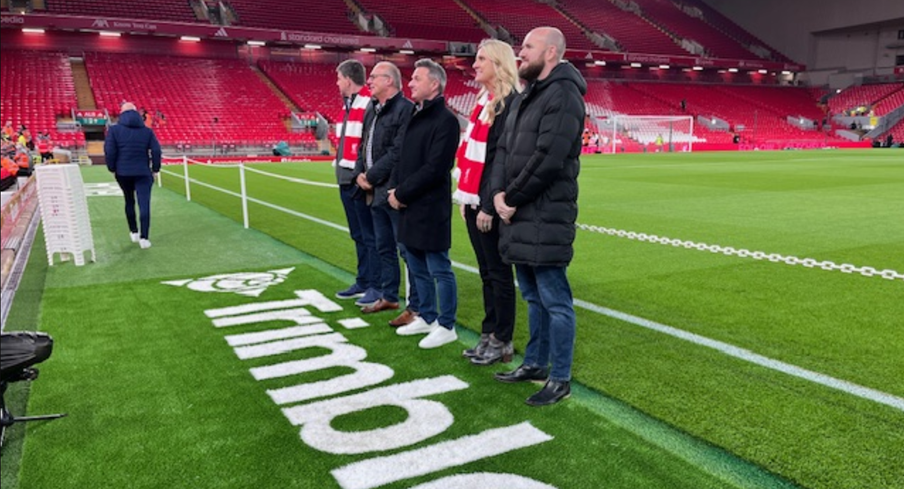
David Hodkinson and Mark Poveda (centre)
Liverpool Football Club (LFC) is widely recognised as one of the most popular clubs in the world’s most popular sport and at a recent home game this month we’re delighted to announce that its name became publicly linked with another high achiever and one especially close to our own hearts – Trimble!
On October 31st, Trimble announced a new multi-year global sponsorship with Liverpool Football Club (LFC) and became a recognised partner. In addition to the sponsorship, LFC will employ Trimble technology in the design and development of the club’s infrastructure including on the recently announced refresh of the LFC Academy, which aims to develop the future stars of football. This will include a starring moment for Trimble SketchUp which will be used to reimagine the high-performance centre into a truly industry-leading space for young footballers to learn.
Expect lots of visibility of the Trimble logo around the LFC stadium and its digital channels and of course plenty of photos from the KOREC team and any lucky customers who get to be a Trimble guest!
Six top moments through the ages – have we got the list right?
- The Miracle of Istanbul (2005): Down 3-0 at halftime in the Champions League final against AC Milan, Liverpool staged the greatest comeback in final history.
- Bill Shankly’s best football quote of all time: “Some people think football is a matter of life and death. I assure you, it’s much more serious than that.”
- The Kop’s roar measured at 130.9 decibels In a 2019 match vs. Barcelona, Anfield’s decibel level hit 130.9—louder than a jet taking off at 100 meters.
- The “This Is Anfield” plaque: Shankly installed the famous plaque in the tunnel to intimidate opponents and remind his players: “This is Anfield—play like gods.” Opposing managers still touch it for luck… or fear.
- 2024 Premier League Champions: Liverpool clinched the title on April 27, 2025, with a thrilling 5-1 home win over Tottenham Hotspur.
- Best ever rendition of ‘You’ll never walk alone’: It’s back to the Miracle of Istanbul in 2005 for this one!
A front row seat!
What better way to celebrate the shared values of this Trimble / LFC collaboration – precision, innovation and commitment – than by witnessing it ourselves. With our north west office just 5 miles from Anfield, two of KOREC’s finest, Mark Poveda (Managing Director) and David Hodkinson (Group Finance Director) were lucky enough to be Trimble’s guests for the game on 1st November v. Aston Villa (spoiler: LFC won 2-0), and as a lifelong fan, David was more than happy to share his experiences:
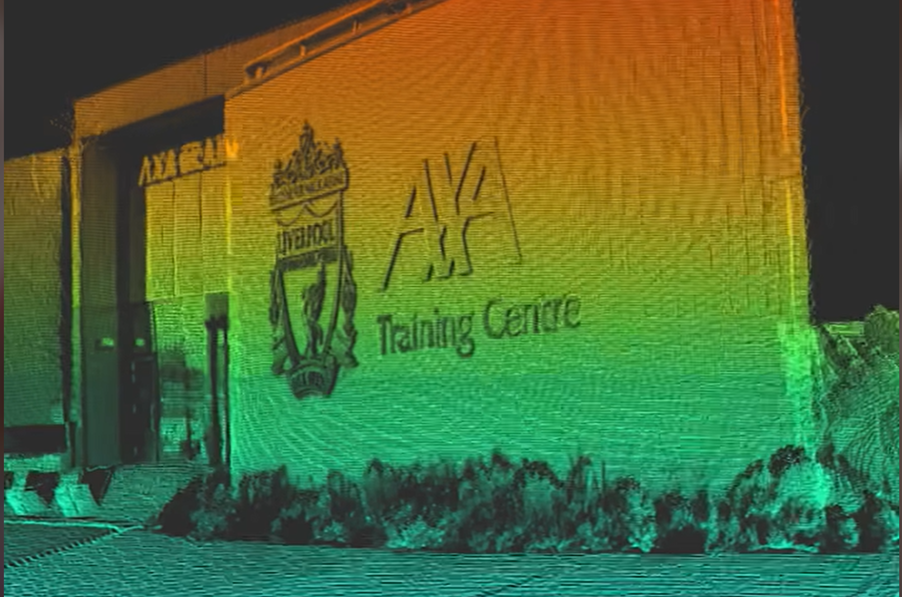
“The day started with lunch in Liverpool before being bussed over to the AXA Training Centre for a tour of the 1st team and Academy teams training facility over in Kirkby.
This is a state-of-the-art facility with pitches that wouldn’t look out of place as golf greens!
We saw Arne Slot’s office and all the indoor and outdoor training facilities and the press conference room. They also have all the myriads of Trophies on display that Liverpool have won – It was a very impressive facility.
We were then bussed back to Anfield for a tour of the stadium – including getting to stand on the world famous Kop and then pitch side for the photos with the new Trimble logo. It was great to be down on the pitch in the full glare of all the lights giving us a taste of what it must be like as a player.
Then it was up to the “Legends Lounge” for our top-notch food (and drink) – including a talk from Emile Heskey (Liverpool & England star).
Kick off was 20.00 in our halfway line seats – and I am pleased to report that Trimble brought us a change of fortune and we won (following 4 league defeats in a row!) – So Trimble are now 100% with LFC!
It was a brilliant day and great to see the behind the scenes operations that underpin what you see on the pitch!
Many thanks to our hosts Trimble and LFC for a superb day!”

Trimble Becomes Official Global Partner with Liverpool Football Club
KTUC25: When Community, Innovation & Connection Converged
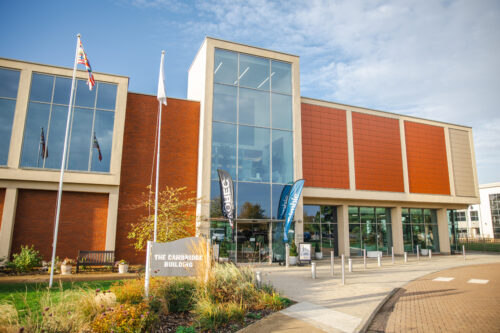
On a bright autumn day at the Babraham Research Campus near Cambridge, the KOREC Trimble User Conference (KTUC25) came alive. It was more than just a tech showcase: it was a gathering of minds and makers – a celebration of community in geospatial, surveying, construction, rail, monitoring and mapping sectors.
Bringing the Community Together
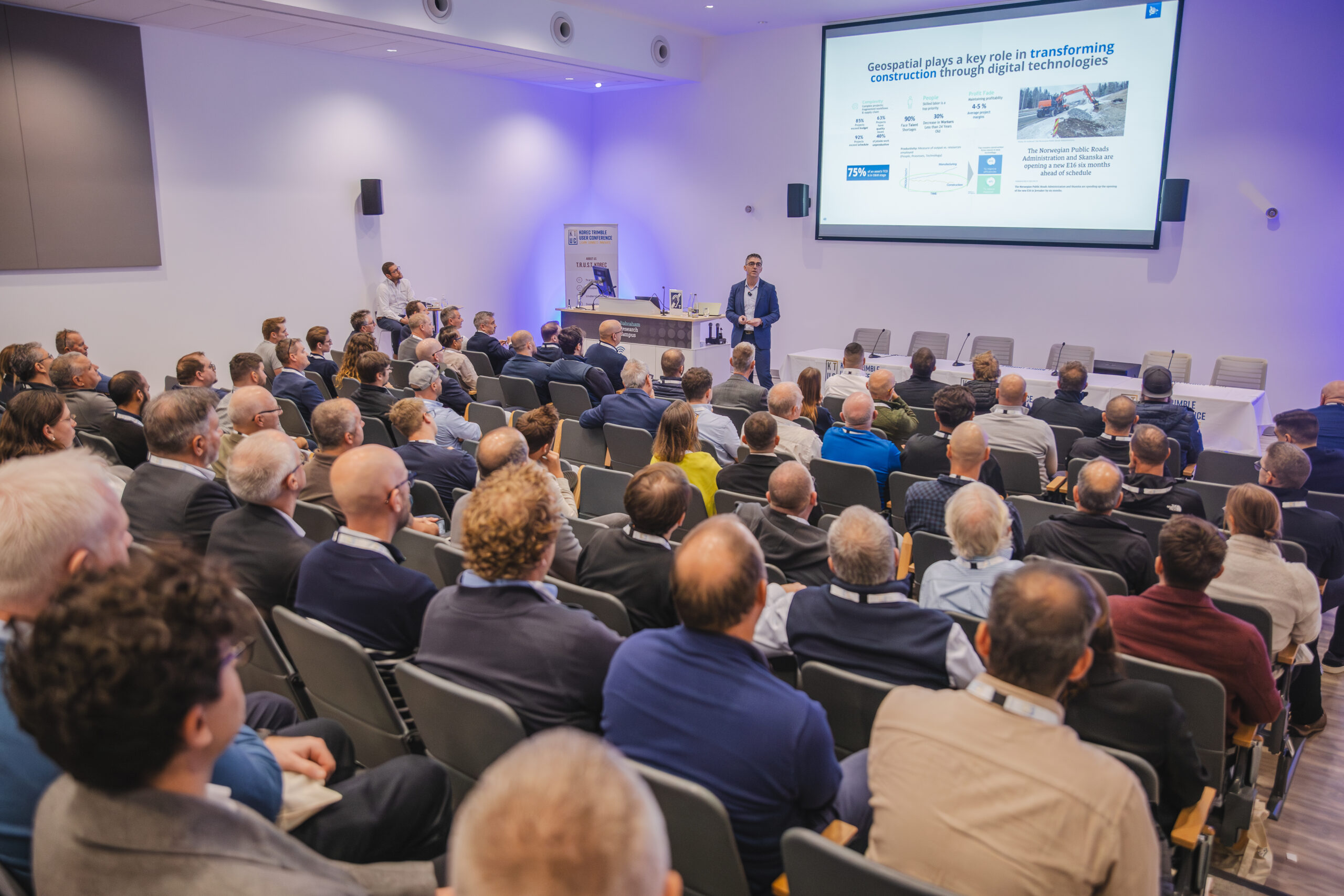
If there was one phrase that echoed through the exhibition halls, breakout tracks and outdoor demos at KTUC25, it was “Learn. Connect. Innovate.” Attendees repeatedly praised the inclusive, conversation-driven spirit of the event, where information and ideas were shared freely. It was the place where senior Trimble executives could connect freely to boots-on-the-ground surveyors. Where construction Tier 1s revealed their secrets to working smarter across field and office. Where people could have their say on important issues affecting our industries. Overall the coming together of the Trimble community made the conference feel like a community reunion – a rare treat in our digitally-mediated world.

Why KTUC25 Resonated
So, what made KTUC25 stand out? Based on attendee feedback:
- Community feels real – people made new contacts, reconnected with old ones, and left inspired by collaboration.
- Diverse tracks – whether you were a hardware geek, software user, field engineer, or decision-maker, there was something for you.
- High-calibre content & speakers – the balance between visionary keynotes, technical depth, and user stories really hit the mark.
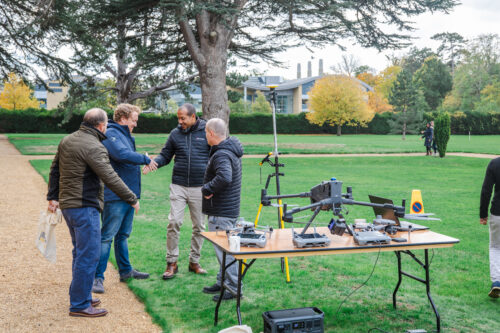
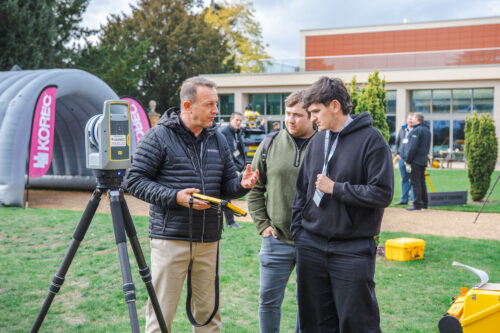
- Interactivity & hands-on access – the demo zone, workshops, partner exhibits and live flights made the experience tactile and memorable.
A Showcase of Technology & Partnerships
Of course, a key purpose of KTUC25 was to spotlight the breadth and depth of Trimble’s ecosystem, and to do so in concert with KOREC’s partners, including Radiodetection, DJI, Wingtra, Terrasolid, and Soarvo. This added dimension and breadth, showing how modern survey, construction, engineering and mapping systems aren’t siloed but interconnected.
Discover KOREC's technology solutions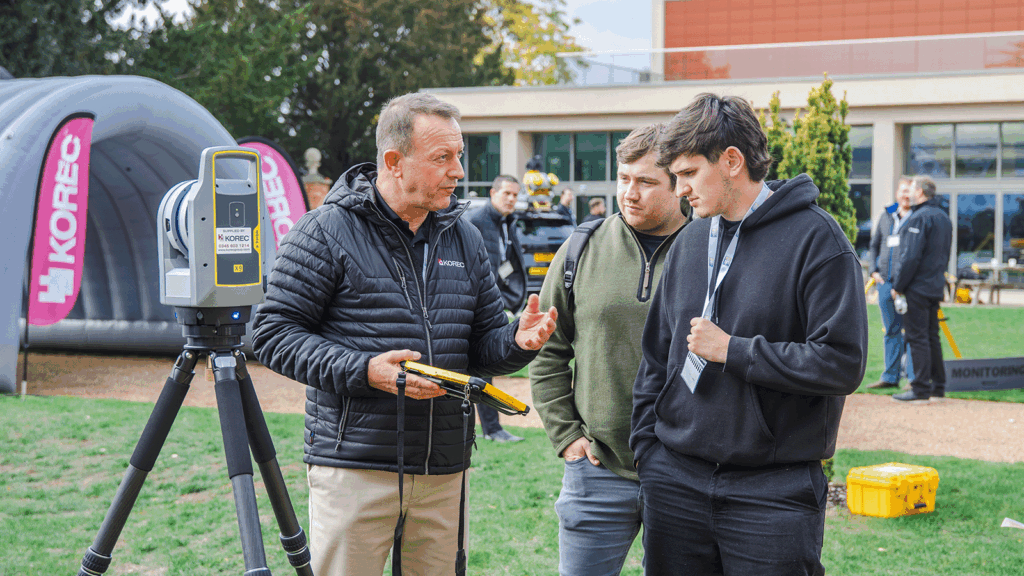
Highlights from the Tracks, Talks & Real Stories
We structured KTUC25 around four tracks (plus an exhibition hall)
- Keynote Theatre – Thought leadership and macro-vision
- Technical Workshops – Deep dives, tips & tricks
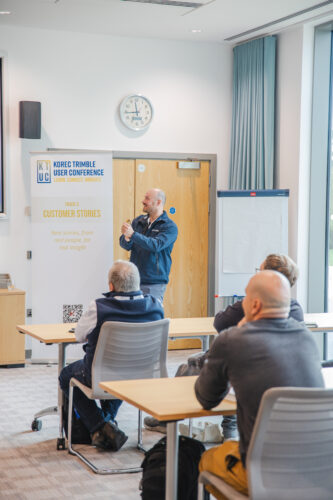
- Customer Stories – Real use cases, real challenges
- Outdoor DemoZone – Live demonstrations and competitions
It’s been a tough call to highlight only a few things across this amazing event, but here’s our top 5 things that got the most of the buzz…
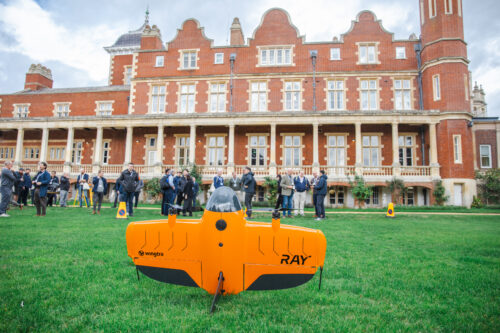
- The literal and figurative launch of the WingtraRAY
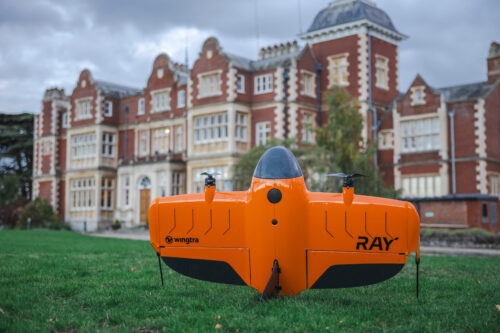
We chose our KTUC25 event to launch (in both sense of the word) the new WingtraRAY! This new UAV sets new standards for surveyors and it was a pleasure to see it in flight at KTUC25. You can find out more over on our product page.
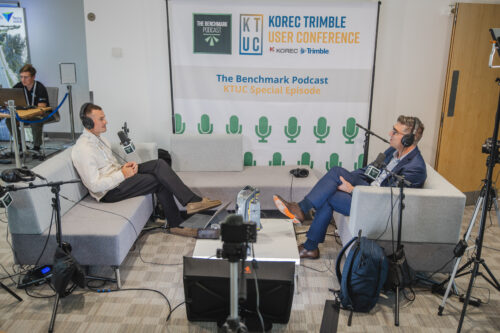
Discover the WingtraRAY2. Boris Skopljak, Trimble’s VP of Geospatial on the Benchmark Podcast
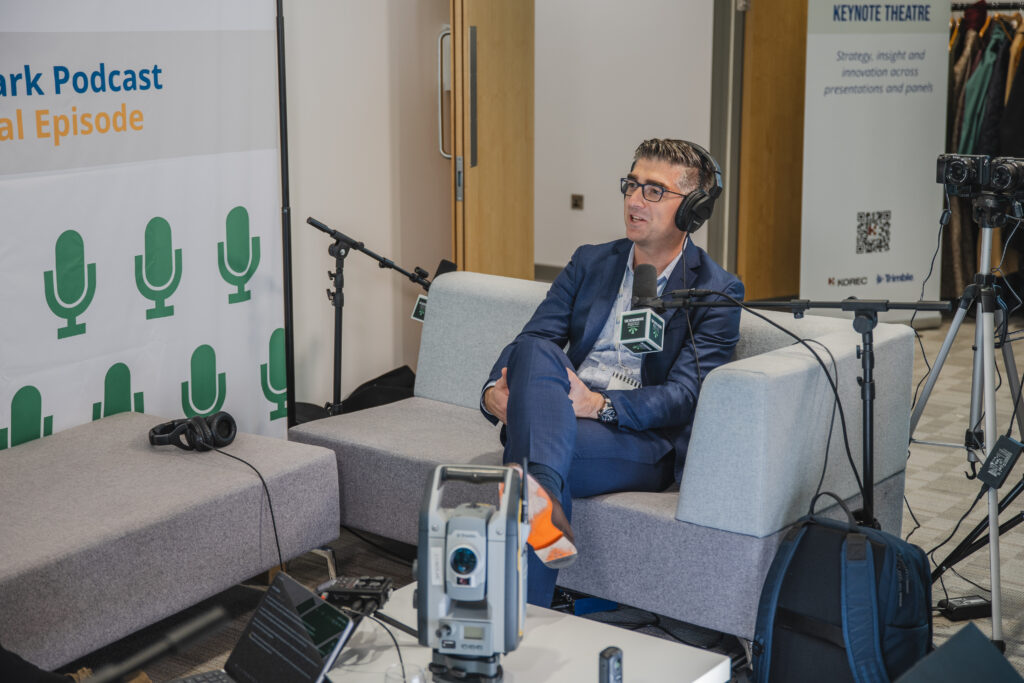
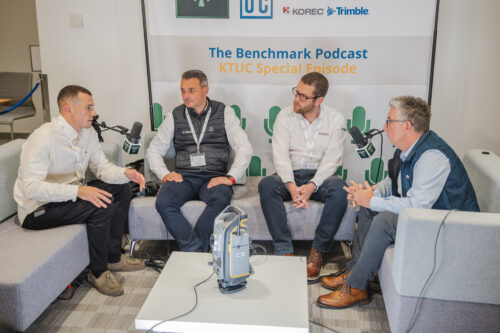
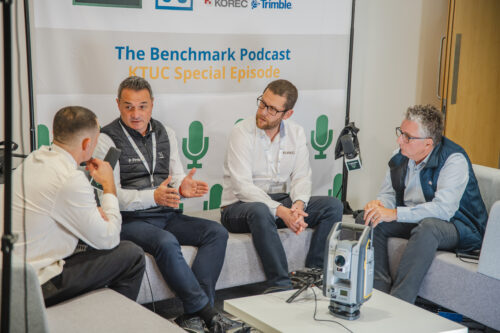
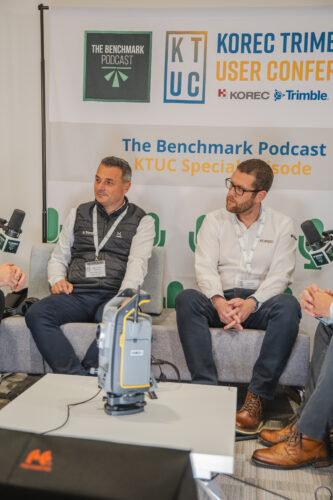
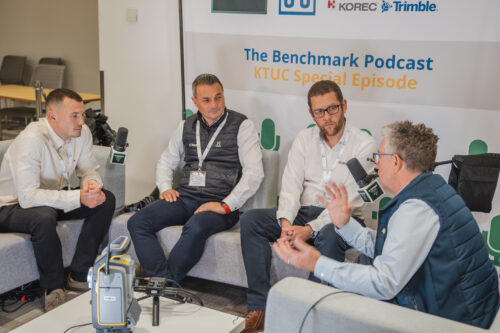
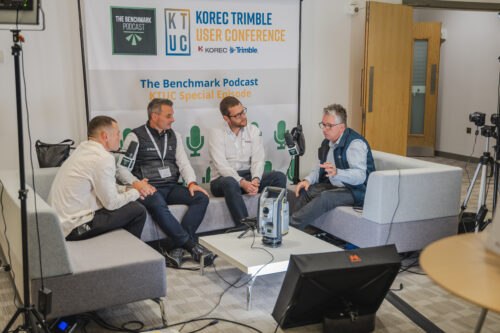
The much-loved Benchmark Podcast did a special KTUC episode, grabbing thoughts and opinions from the full spectrum of KTUC speakers, presenters, exhibitors and attendees. In an exclusive scoop, James Richards managed to get senior Trimble exec Boris Skopljak into the podcast booth. Keep an ear out for when the KTUC episode of Benchamark podcast drops…
3. The Keynote from award-winning speaker Jim Steele
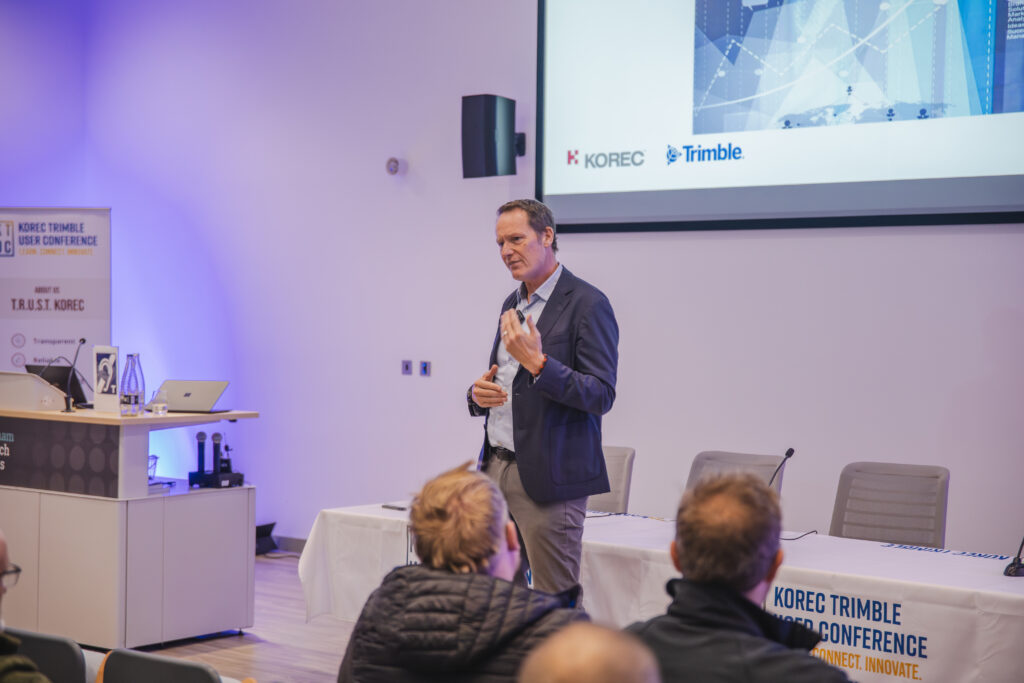
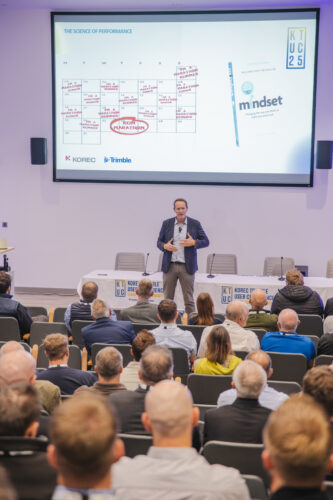
Jim Steele set the scene for the event with his powerful and interactive talk on motivation and performance. He was a smash hit at KTUC25, and it’s no surprise to learn that he’s 2025’s Speaker of the Year!
He’s kindly provided a wrap-up video of his session, recapping the key points of his presentation, along with providing some free resources to help you be better, smarter, stronger.
4. Education and Industry Voices panel discussions
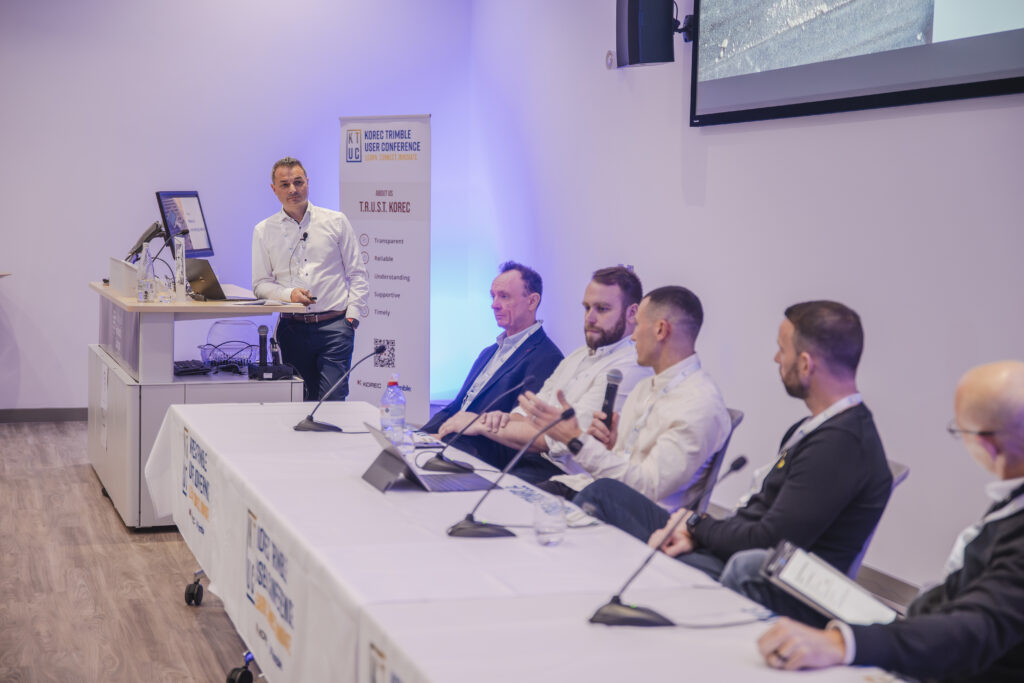
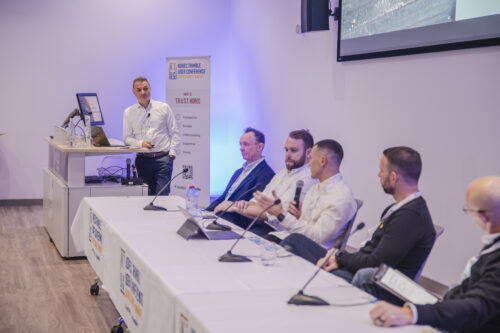
The two panels in the Keynote Theatre didn’t shy away from the big issues facing our industries. With insightful input from a fantastic line-up, we covered a lot. From the challenges of getting more people into surveying, to the opportunities – and pitfalls – of new technology, the future of survey, managing customer expectations, and much, much more.
5. The AI and Trimble Business Center Technical Workshops
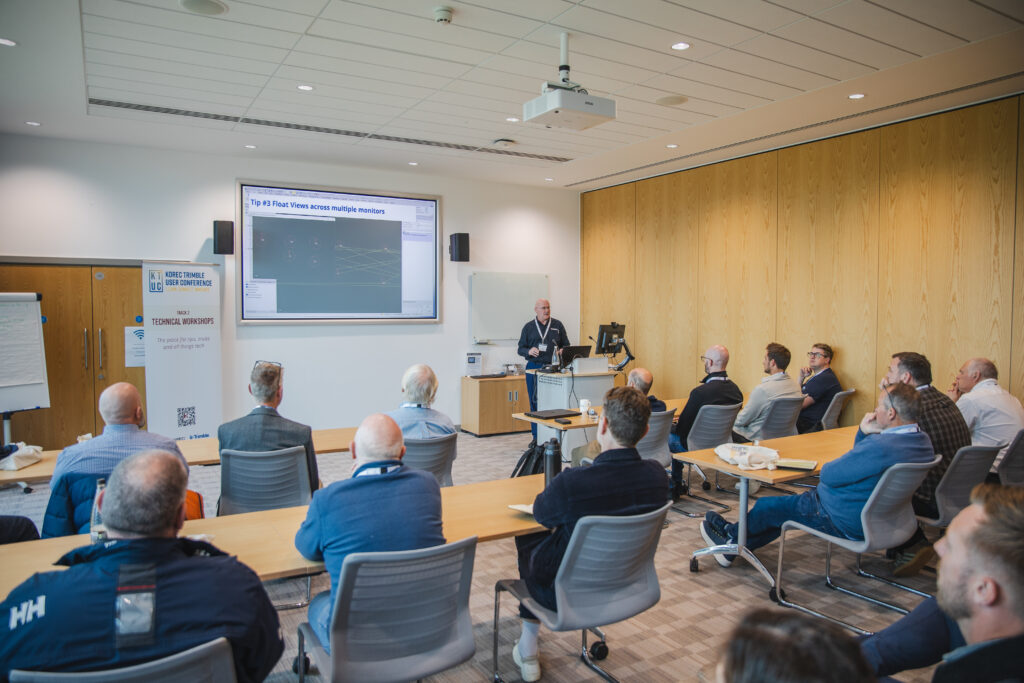
It was a full house for many of the technical workshops, but it was extra standing room required for the technical insights given by Trimble’s Ronald Van Coevorden and KOREC’s Richard Selby, who talked about AI & Automation, and Trimble Business Center (respectively).
KTUC25 Resources
Download the Presentations!
Due to overwhelming popular demand, we’ve made the presentations at KTUC available for download from our DropBox. You can grab them by clicking the button.
Picture Gallery
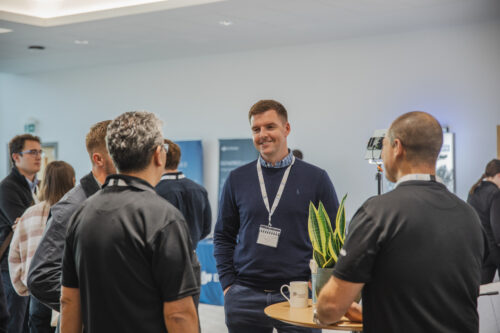
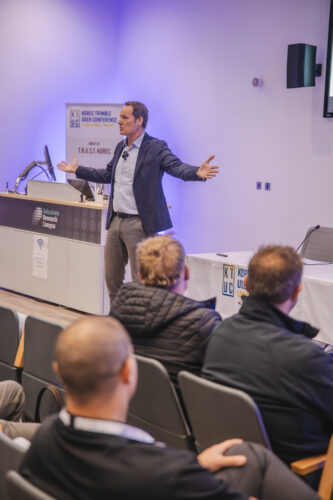
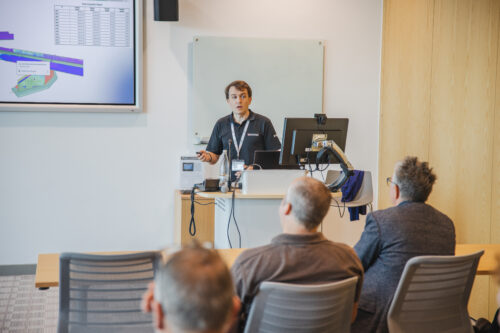
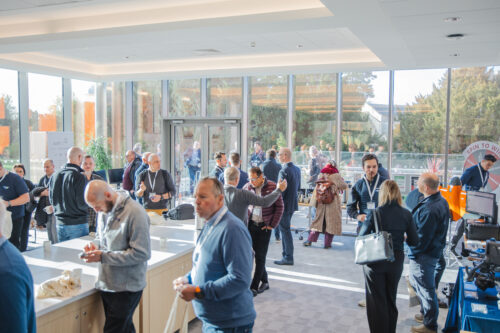
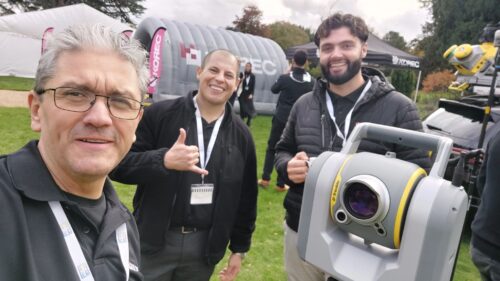
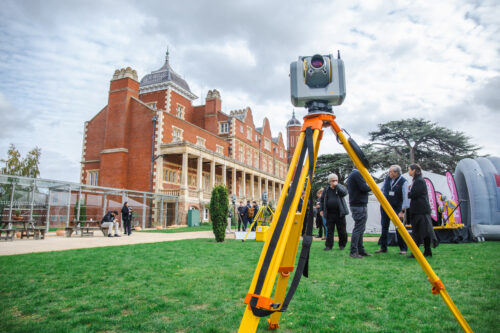
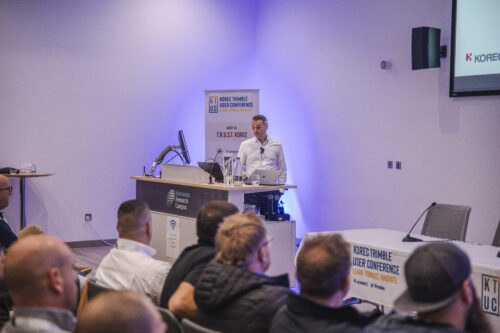
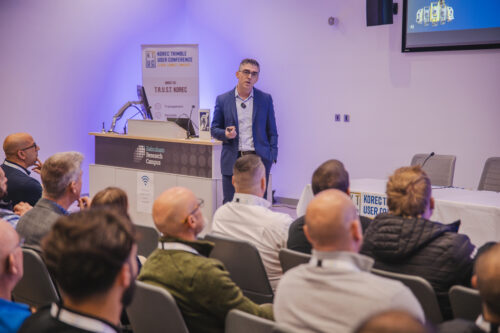
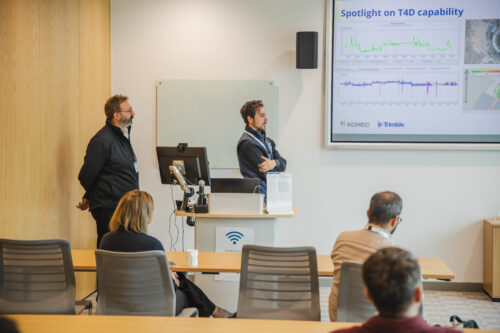
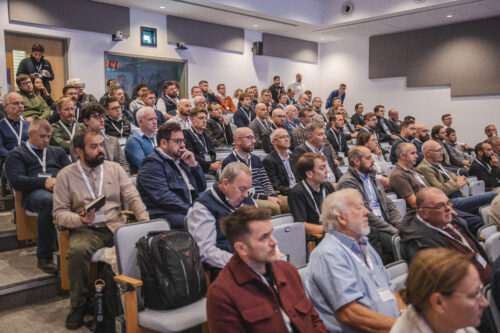
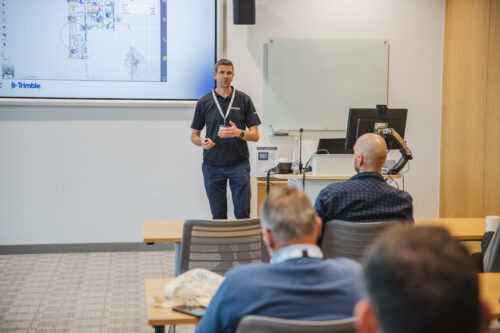
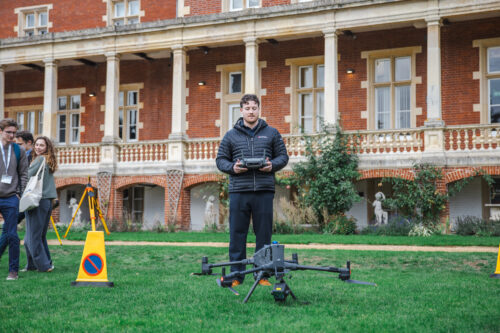
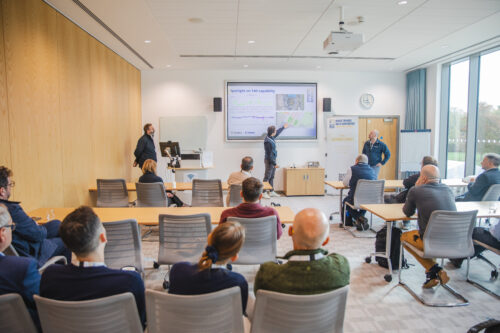
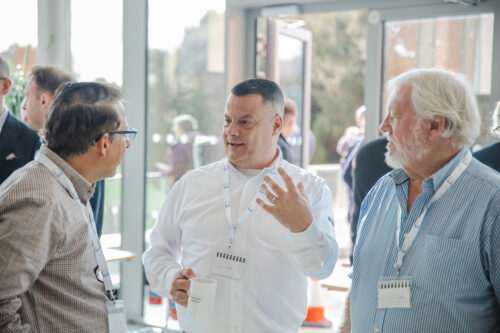
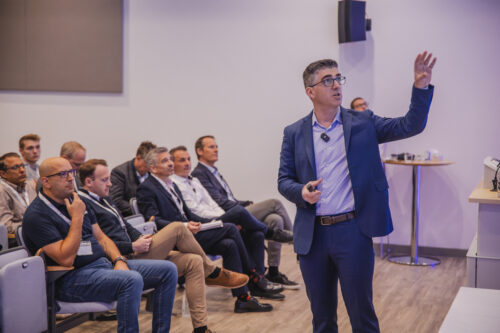
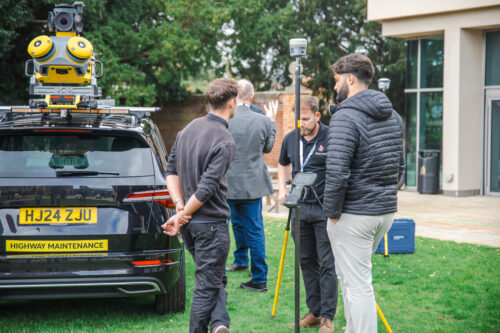
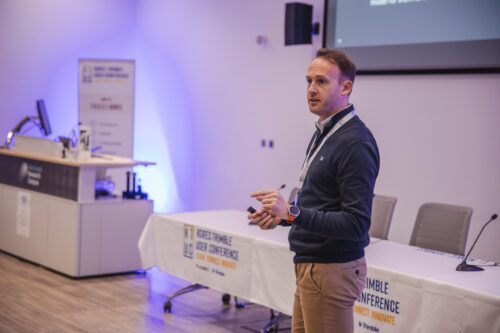
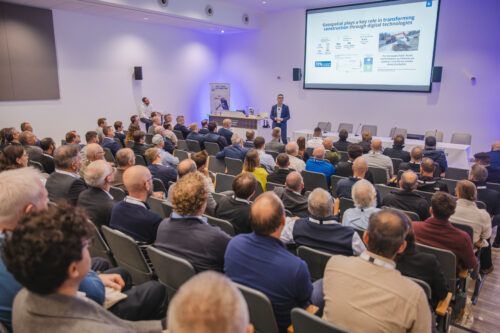
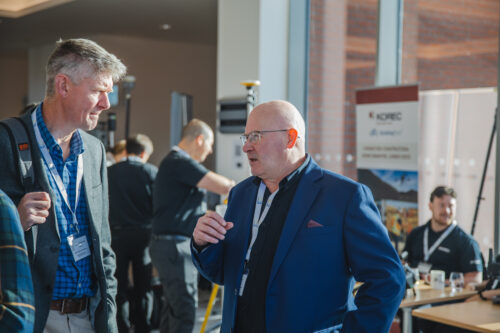
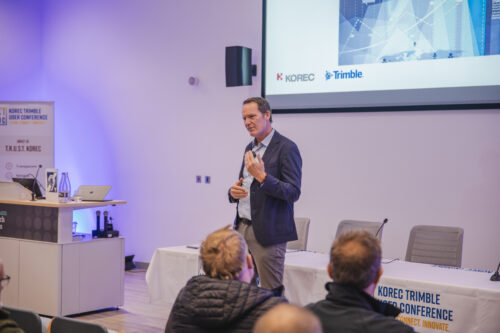
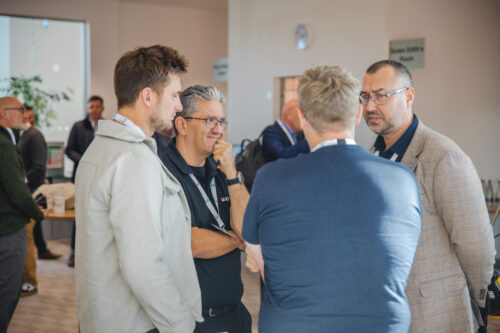
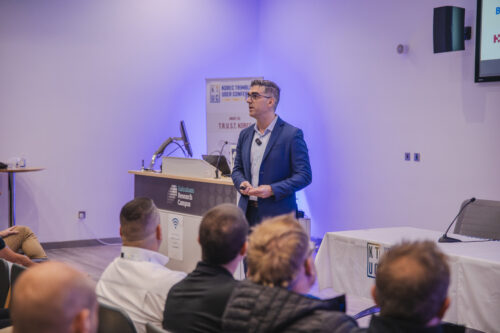
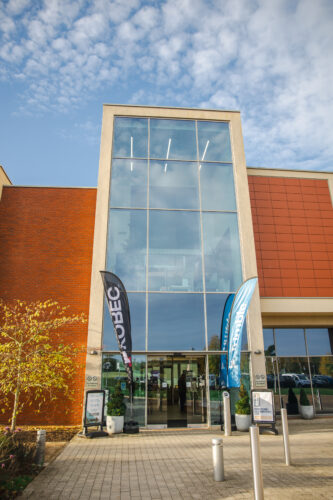
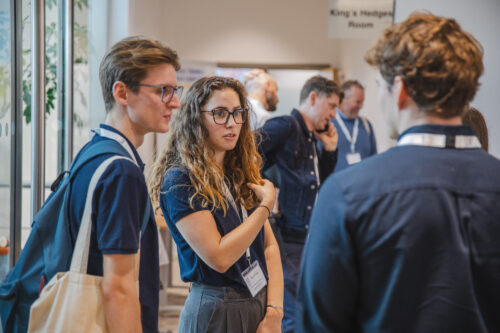
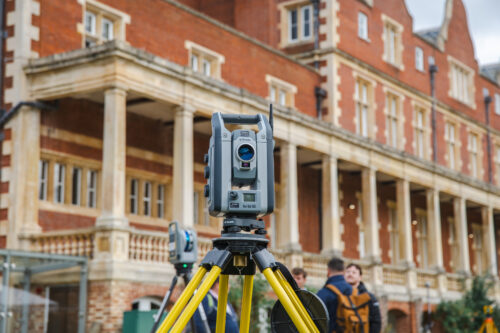
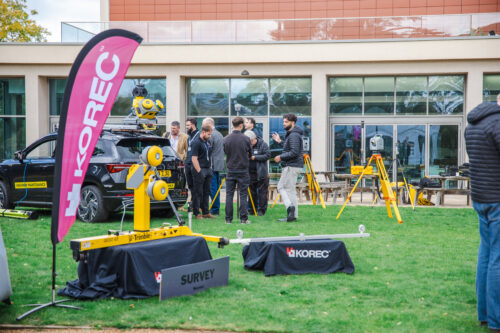
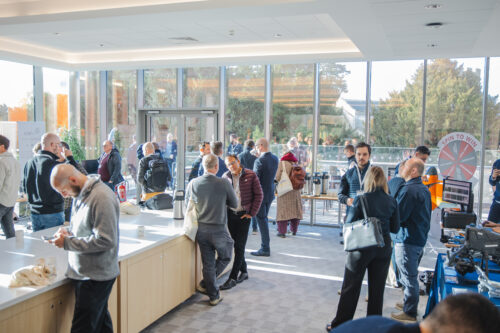
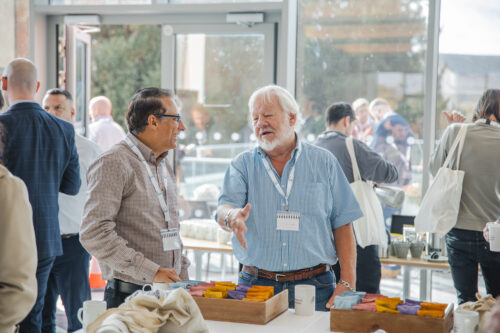
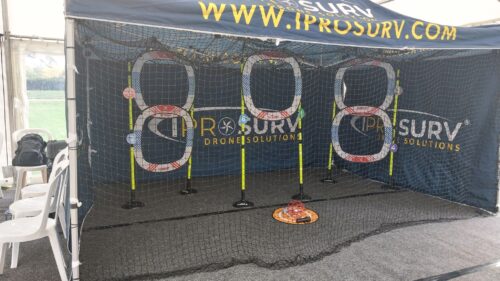
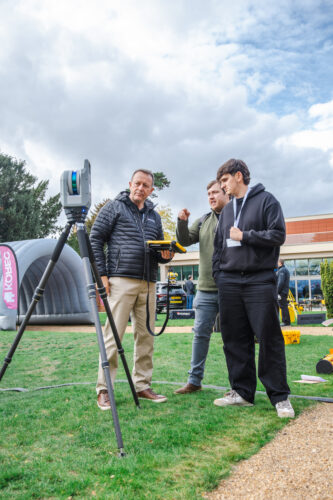
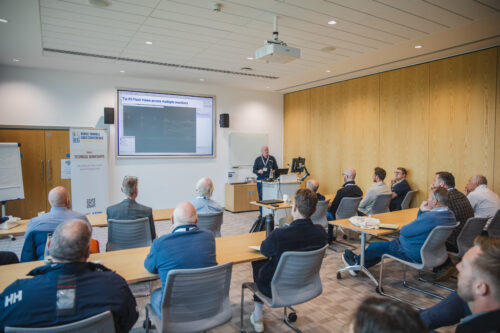
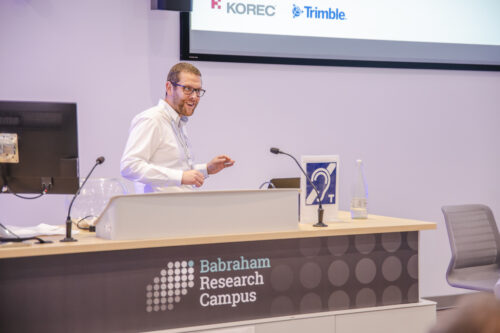
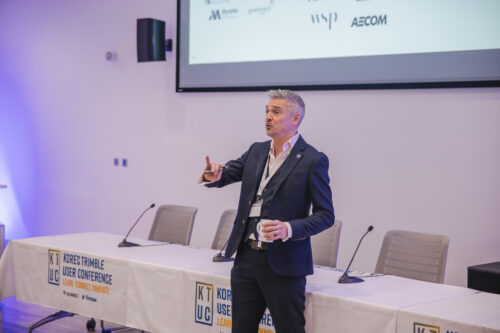
Here’s a few pictures of the day that we managed to grab in amongst the madness! Do you spot yourself? If you’d like your photo included in the gallery, please email marketing@korecgroup.com



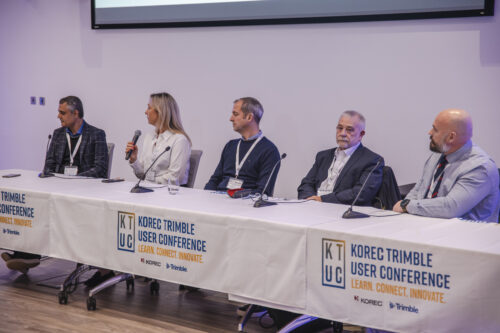
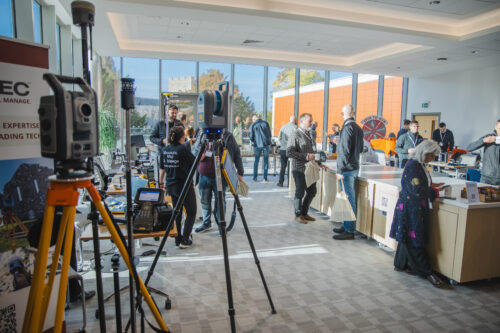


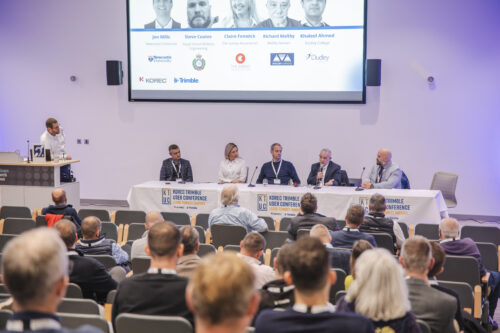
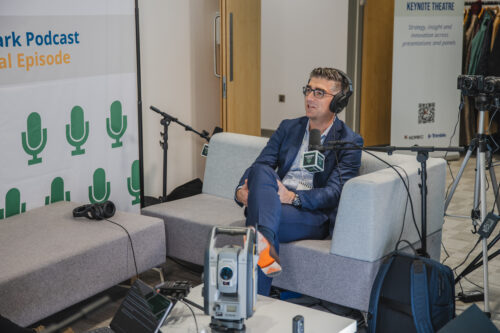

Looking Ahead
KTUC25 wasn’t just an event – it was a statement. A message that KOREC believe in more than selling technology: we believe in enabling a community of practice where people learn, push boundaries, and lift each other up.
As we reflect on the energy, connections, and ideas generated in Cambridge, we’re already looking ahead to ways we can sustain this momentum. to keep embracing the latest tech, but also the trust and shared culture that made KTUC25 such a resounding success.
One thing’s certain: we can’t wait to see what happens next, and we hope those who attended left not just more informed, but more connected, energised, and ready to transform.
Who’s in for next year?
LEARN MORE
Discover solutions by industry
Discover how KOREC’s technology solutions can help you solve the problems you face in your industry.

In his last column, KOREC’s Mark Poveda delved into the crucial questions to consider before buying a 3D Laser Scanner. In this column, he turns his focus to four important factors to weigh up before making an investment in a GNSS survey-grade receiver.
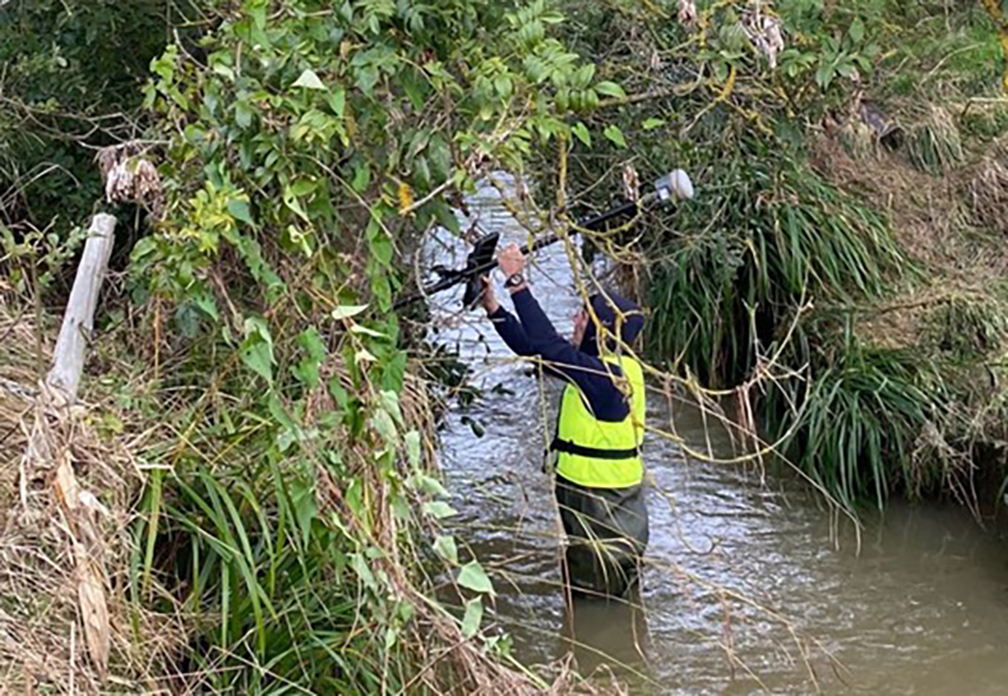
Benchmark Surveys and the Trimble R12i
Across the geospatial industry, we’re seeing a bigger shift towards people using GNSS for their survey grade data collection and setting out operations, thanks in part to developments that have increased their ability to work accurately in challenging GNSS conditions such as urban canyons or under tree canopy. However, it’s important to state that if it’s high-accuracy, mm positions you’re after, then a total station will always be your go to.
In this column, I’m going to take a look at four GNSS areas it’s worth considering, especially if you’re keen to avoid time consuming total station set ups in your day-to-day survey work.
1. It’s not about the number of channels, it’s about how your receiver handles and decodes them
When choosing the correct receiver for your purposes, it’s important to understand that most of them now support multi-constellations (GPS, GLONASS, Galileo, BeiDou), but it’s also important to check that they also support L1, L2 and L5 frequencies which mitigate signal interference in harsh GNSS environments. For example, Trimble’s ProPoint technology, found in several of their receivers, takes signals from all available constellations via three frequencies and uses dual core receivers for fast and accurate precision in challenging survey scenarios. My advice here would be to test repeatability of positions in these conditions during a field trial. We don’t want the spoofed accuracies that can occur with some receivers and this is the only way to ensure that doesn’t happen.
2. RTK and Correction Services for positioning security – choose wisely, they’re not all the same
Your RTK and Correction Services are key to continuous centimetre positions in the field and especially if you’re likely to be working where there’s patchy mobile coverage or your signal may drop in areas like quarries. If you want to avoid getting the total station out for those few points you need when there’s no signal, then it’s important to check that your receivers can also ‘bridge the gap’ using satellite corrections. KOREC customers report that the xFill function on their Trimble receivers, which does exactly this, saves them around 30 minutes of site time by avoiding a total station set up, it all adds up on downtime cost savings. Sometimes they’re not even aware the feature has kicked in because work is continuous and uninterrupted. Again, something to check on your field test.
3. Environmental durability and endurance – will your expensive investment survive the conditions you work in?
Construction sites are demanding places to work in and on top of that, did you know that last year rain fell on 171 days in the UK!
If your expensive investment is going to handle the British weather as well as tough site conditions, then you’ll need an IP65 rating for your receiver, or if you want it to withstand submersion, then IP68, plus you’ll need MIL-STD810G or H for ruggedness for both your receiver and controller. Especially, take a really good look at the build quality during your field test and check out whether it comes with local servicing and repairs from your GNSS supplier.
4. It’s all about the workflow – protecting your data and turning it into manageable information
Finally, a successful survey isn’t just about the receiver, it’s about collecting, processing and analysing that data and of course, protecting the information you’ve collected. Unfortunately instrument theft is a common occurrence so we definitely recommend that your receiver has the ability to sync with secure cloud storage and also that you can choose where it is hosted rather than it ending up in a random location anywhere in the world.
It’s also important to consider the end-to-end workflow and ensure that yours is futureproof. For example, is your collected information compatible with your back-end packages if you’re an n4ce or SCC user? Seamless integration is vital for saving office time on the processing and decoding of your collected data.
Whilst I hope this information is a good guide to what to look for in a GNSS Receiver, my best advice would be to rigorously check before you buy with an extensive field test and especially, check its accuracy and repeatability in different conditions.
If you’re looking to invest in 3D Laser Scanning technology, Mark Poveda urges you to go beyond the spec sheet to unlock your perfect 3D Laser Scanning solution and ask these five important questions instead.
There’s no doubt that 3D Laser Scanning is now a widely accepted tool for surveyors thanks to its ability to quickly and accurately capture detailed 3D spatial data, making it valuable for a wide range of applications.
The technology has continued to evolve and become more accessible in terms of cost and equipment and there’s more choice than ever……which is where the challenge begins!
It’s at this point that I would urge you to move beyond the manufacturer’s spec sheets which are often complex and don’t compare the same information, and instead, ask yourself these 5 important questions:
1. What is the cost of ownership vs. unit cost?
The unit price tag may look good but what are the ongoing expenses? It’s time to dig a little deeper.
First up, I’d urge you to ask how often the scanner needs to be calibrated and here it’s crucial to consider not only the financial aspect of calibration but also the duration your instrument will be unavailable for use, particularly when it requires international shipment. Additionally, factor in the expenses associated with acquiring a temporary replacement.
Under cost of ownership, it’s also important to check for hidden charges including upgrades for firmware software licensing or any additional modules you may need to create your preferred deliverable. Also don’t forget to factor in office processing time and any extra investment in IT.
2. Do I need survey grade auto-levelling?
It’s not all about the time the scanner is turning and collecting data. Having an auto-levelling feature ensures that you are ready to go as soon as you set the instrument down. Having an IMU and dual-axis compensator on a scanner means data is always level to survey grade accuracy and does not require the same level of post-processing as those that don’t meet that same accuracy specification. This also massively improves the accuracy of your scan data over the scanner’s full range. Potentially, this feature can save you around 5 hours a week if you’re undertaking 150 scans a day.
3. What’s more important to you, scan time or total time to project deliverable?
I’ve written about workflows in previous columns, and it’s just as important here, as is a broad look at total production costs, namely adding in the field capture plus the office processing time and investment in IT and training.
The first thing to consider here is that speed is not always what you think or see on the spec sheet, because scan speed and scan rate are not the same thing. Scan speed is the number of points you collect per second, and scan rate is the number of seconds needed by a scanner to collect that data – this depends on the density of the scan data you require and the range of your scan. So in theory, the scanner with the fastest speed doesn’t always have the fastest rate. It’s therefore very important to make sure that you select a scanner that has the best balance for your applications.
Additionally, time saved in the field doesn’t always equate to a faster deliverable. When purchasing a scanner, one of the best ways to deliver a faster result to your customer is through in-field automatic scan registration so it’s definitely worth checking if your potential new scanner has this feature.
4. Will it work in the rain?
On average it rains 151 days a year in the UK! Time to check the IP (ingress protection) rating of your proposed scanner. The first IP digit relates to the level of protection against solid objects; the second digit relates to the level of protection against liquids. If your scanner’s IP rating is IP54, it’s important to understand that it does not have a closed mirror and you may be risking your scanner by working in conditions it’s simply not suitable for. IP54 means that the scanner is protected against water spray and is suitable for outdoor work, however an IP55 rating means suitability for working with in rain.
5. Has it got a handle?
It’s possibly any scanner’s most underrated feature, but your scanner is worth thousands of pounds, not to mention any downtime if it gets dropped! Easy manoeuvrability is vital in tight spaces or if you’re working within complex structures. Several KOREC customers have mentioned this as one of the deciding factors in their purchasing decisions.
…… and this feature doesn’t even get a mention on the spec sheet!
Thinking of investing in a laser scanner? Get in touch and we’ll be happy to discuss your requirements!