Leica vs Trimble Total Station
Discover the key differences when choosing between a Leica and a Trimble Total Station.




Discover the key differences when choosing between a Leica and a Trimble Total Station.
Trimble and Leica are both seen as industry leaders in the geospatial field, each with a devoted fanbases of users. When it comes to Total Stations, both Trimble and Leica have instruments with a variety of features and accuracies, making it hard to choose between them. In this article, we look at Leica vs Trimble Total Stations to help you make an informed, smart business decision. For an introduction to total stations, read our guide: Understanding Total Stations.
Despite the popularity of both brands in the UK, Trimble is the clear leader worldwide. In terms of sales and userbases, Trimble is the number one provider of geospatial technology across the globe. There are sectors where Leica has a stronger foothold, such as the UK construction industry, but most industries value Trimble’s increased reliability and ecosystem benefits. The construction industry may catch up to this, as the rugged and weatherproof nature of Trimble total stations matches the harsh environmental conditions found on construction sites.
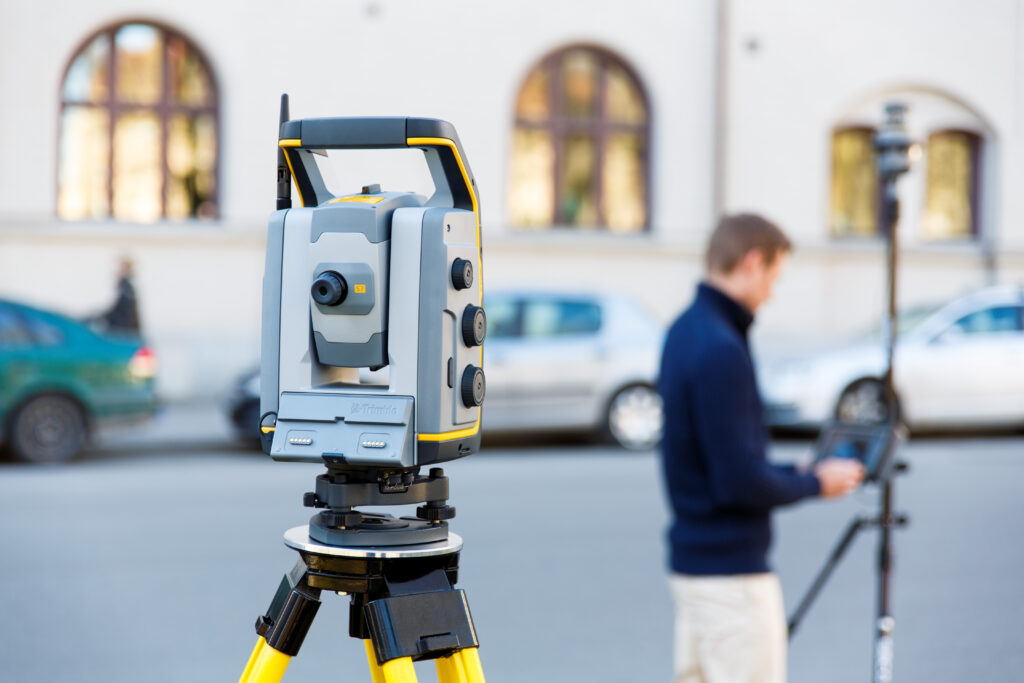
Leica have a large range of Total Station models, with each one suited to a specific application. The following is just a sample of Leica’s robotic total station offering:
While this offering means there’s always a Leica-branded tool for the job, the instruments being so specialises limits their real-world use cases.
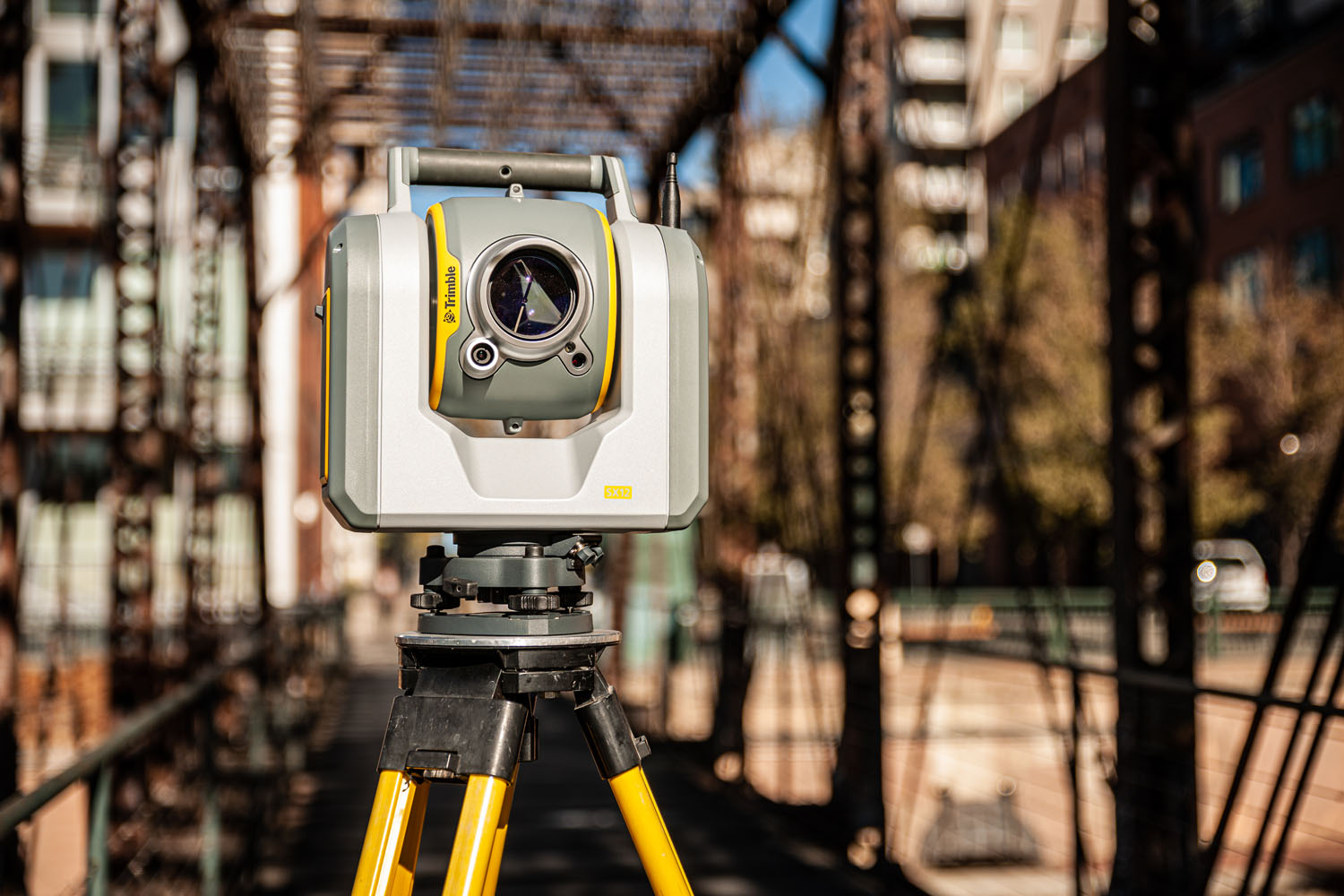
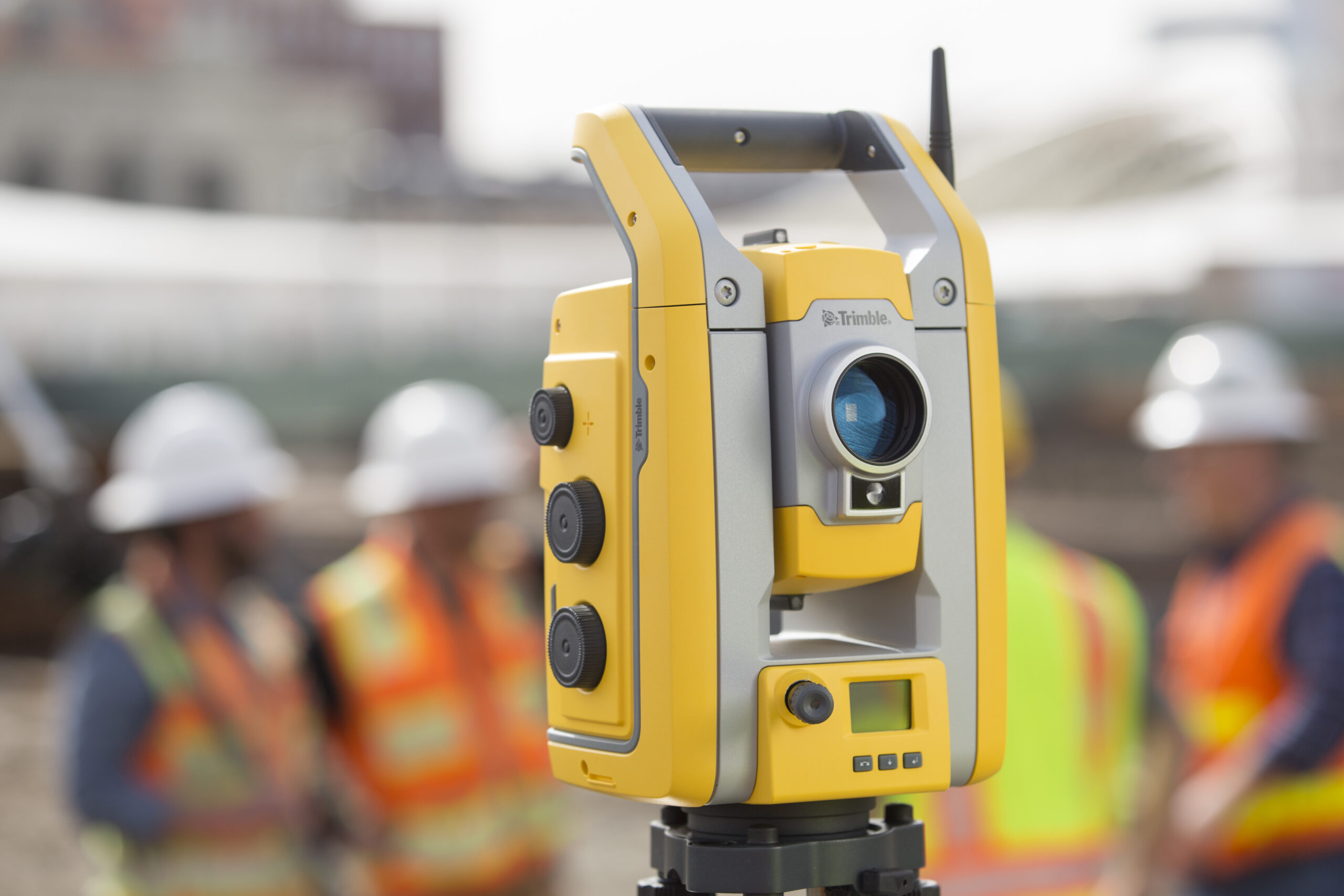
Trimble have a simplified range of robotic Total Station models, with each one more suited to a range of tasks. It’s easier to understand their line-up:
Trimble’s more condensed range makes it easier to find the right technology choice and to expand your business into new areas as needed.
Comparing Trimble and Leica total stations for robotic capability and accuracy by the numbers doesn’t reveal a clear winner. Both brands offer total stations accuracy up to 0.5”, can accommodate one-person use, and have a variety of locking and levelling features.
The real difference between Leica and Trimble total stations comes down to reliability, product set, useability, workflows, and ecosystems, which we explore in this
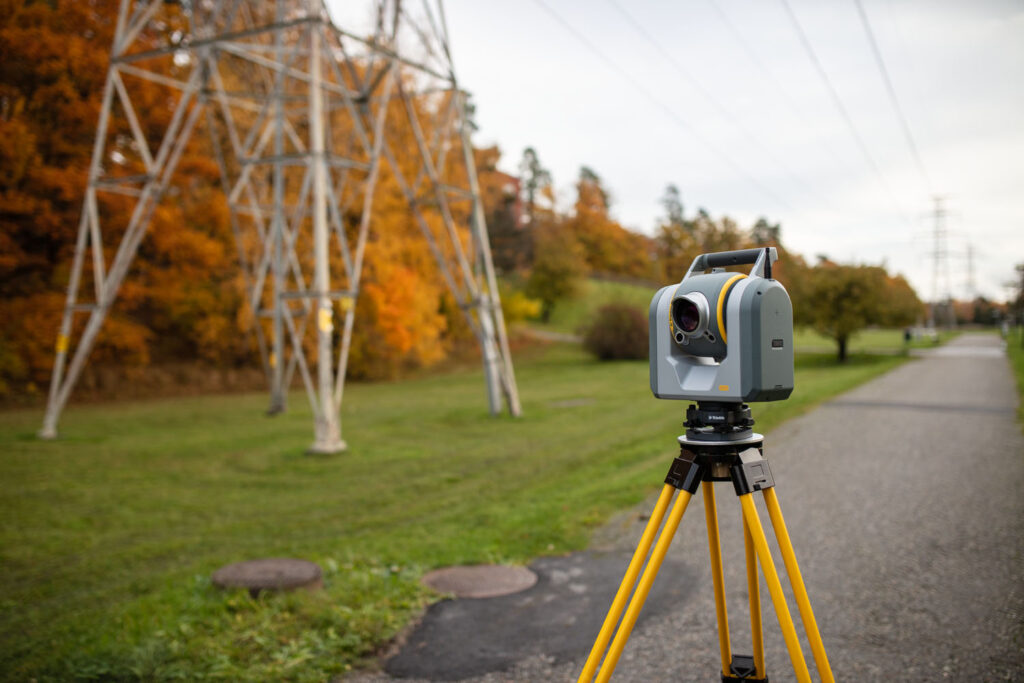
When it comes to looking at the best total station for surveying, build quality is non-negotiable. You can expect Trimble instruments to last a decade or more – here at KOREC we know of customers still getting use out of 20-year-old Trimble kit!
A Leica total station that’s very well looked after might last a decade, but in our experience from talking to customers, we typically see them lasting around five years, with the wear and tear of daily use being more of a problem for Leica total station than for Trimble.
It’s not surprising to say that in the UK and Ireland, the weather is often wet. This makes weatherproofing a vitally important area for Total Station comparison, ensuring productivity isn’t lost to rain or fog. Historically this has been an area where Trimble are ahead of Leica. Trimble Total Stations have been IP-rated for many years, and there’s even videos of them sitting in the shower, operating unaffected:
For many years, Leica’s design decision of putting the antenna in the handle has led to water ingress in that sensitive part of instrument. Leica’s marketing made a big deal of the TS20 total station now being IP rated, but the truth is that many older Leica Total Station models from remain in regular use, and these simply can’t cope with wet weather as well as a Trimble machines.
When it comes to using the touchscreen in the wet, and tracking prisms in foggy rain, Trimble’s history of engineering excellence come into play. For example, the Trimble MT100 active target can remain locked in even the harshest environmental conditions. Whilst Leica are catching-up, in real-world use, Trimble remains the best total station for weatherproof surveying.
Trimble and Leica total stations, having been around for decades, are both known for being easy-to-use. As we saw earlier, the hardware capability is comparable across all metrics, even if reliability favours Trimble. However, the software does come from different design philosophies and it’s important to understand the difference when choosing the right total station for your job.
Leica’s Captivate software is very feature-dense, which can be intimidating on first glance, and cause a steep learning curve. When you get the hang of it, you’ll find plenty of ‘work’ and ‘manage’ features, but you have to work the way Leica want you to.
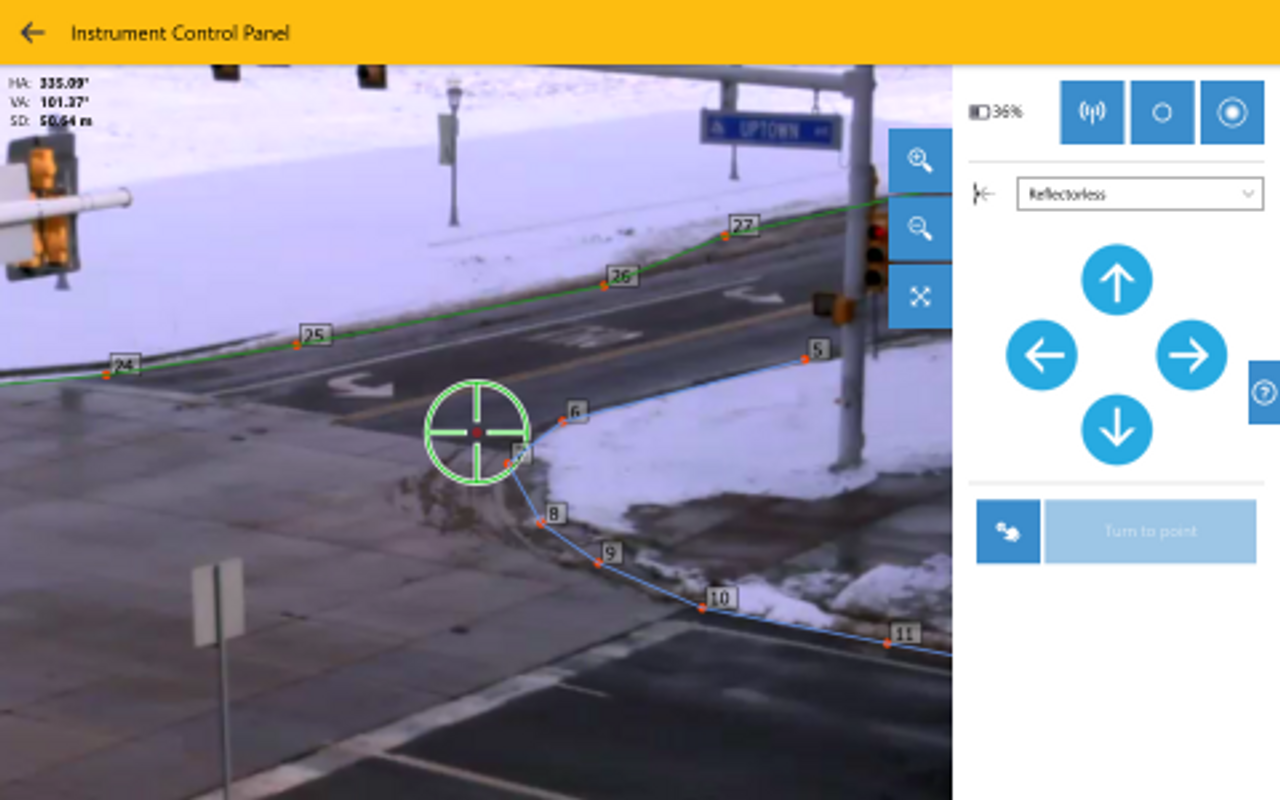
Trimble Access software on the other hand is famous in the industry for being no-nonsense. It prioritises fast and efficient working over flashy graphics.
The enhanced feature set and more mature ecosystem of a Trimble Total Station represents compounding marginal gains that all add up over time.
Cesar Almeida, Senior Application Engineer, KOREC Group sums it up:
“You may not notice the difference in a demo in a car park, but over the course of a long project, those marginal gains add up to real, measurable savings in time. That’s real man-hours saved on each and every project. Businesses lower their costs with Trimble.”
It’s features like Active Tracking, FineLock, AutoLock, GeoLock, SurePoint, self-levelling, working from the controller, and so on. Once again, Leica are starting to catch up here – for example they’re finally creating something akin to Trimble’s famous MagDrive technology on their latest instruments. But Trimble have been pioneering efficiency across a range of products for years, and that shows up in the time saving results of real-world work.
Trimble have recently brought out new TSC510 and TSC710 controllers (also called ‘data collectors’) with better processing and connectivity, that are designed to work with modern workloads. This immediately gives them an advantage over Leica’s CS20 hardware, which was first released back in 2015.
Leaving aside the data collectors and looking at the controls of the Total Stations themselves, we see different design philosophies. Leica machines come with a large built-in display, whereas Trimble machines are designed to be used with a controller for more flexibility – plus the Trimble machines are available with a small display for essential on-machine info. Once again it comes to engineering philosophy: a robotic total station is designed to be a one-man instrument, so a hand-held controller makes more sense here. It also keeps costs down and removes a point of failure. For those who want a screen, Trimble also offer a plug-in TCU5 that can be attached to the Total Station, and removed for wireless roving. More flexibility to suit different workflows is the name of the game here. Once again, it’s a question of small differences adding up: over the course of a few days of heavy survey work, a Trimble total station will usually get the job done quicker.
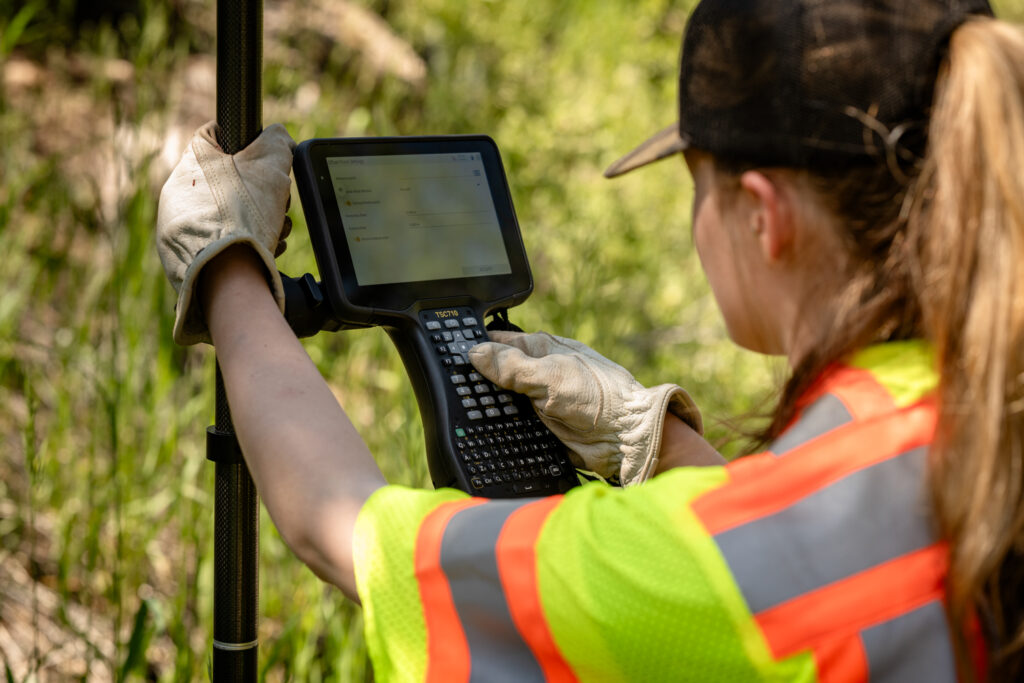
As mentioned earlier, Leica have a much stronger presence in UK construction than Trimble, though overall, Trimble are the global leader. People tend to just ‘go with what they know’, which leads to Leica continuing to be the de facto choice for some. However KOREC are seeing increasing numbers of UK construction houses turn to Trimble, based on the advantage the Trimble ecosystem as a whole provides. Examples of these drivers are the pressure for increased profitability and better data security.
Beyond construction, both Trimble and Leica total stations present a good set of capability for different industries, though for us the Trimble edges out over the Leica for complex projects, especially monitoring projects or anything where a connected ecosystem is important.
So far in our analysis, the Trimble vs Leica story has sometimes been close. But here is one area where they’re worlds apart. The Trimble ecosystem is perhaps the single biggest advantage to using Trimble total stations – beyond even the hardware advantages.
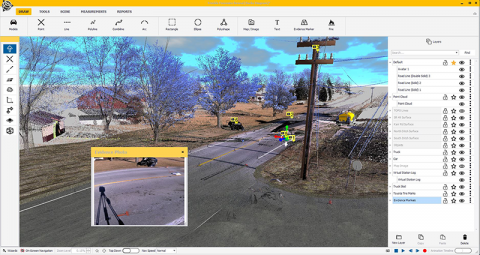
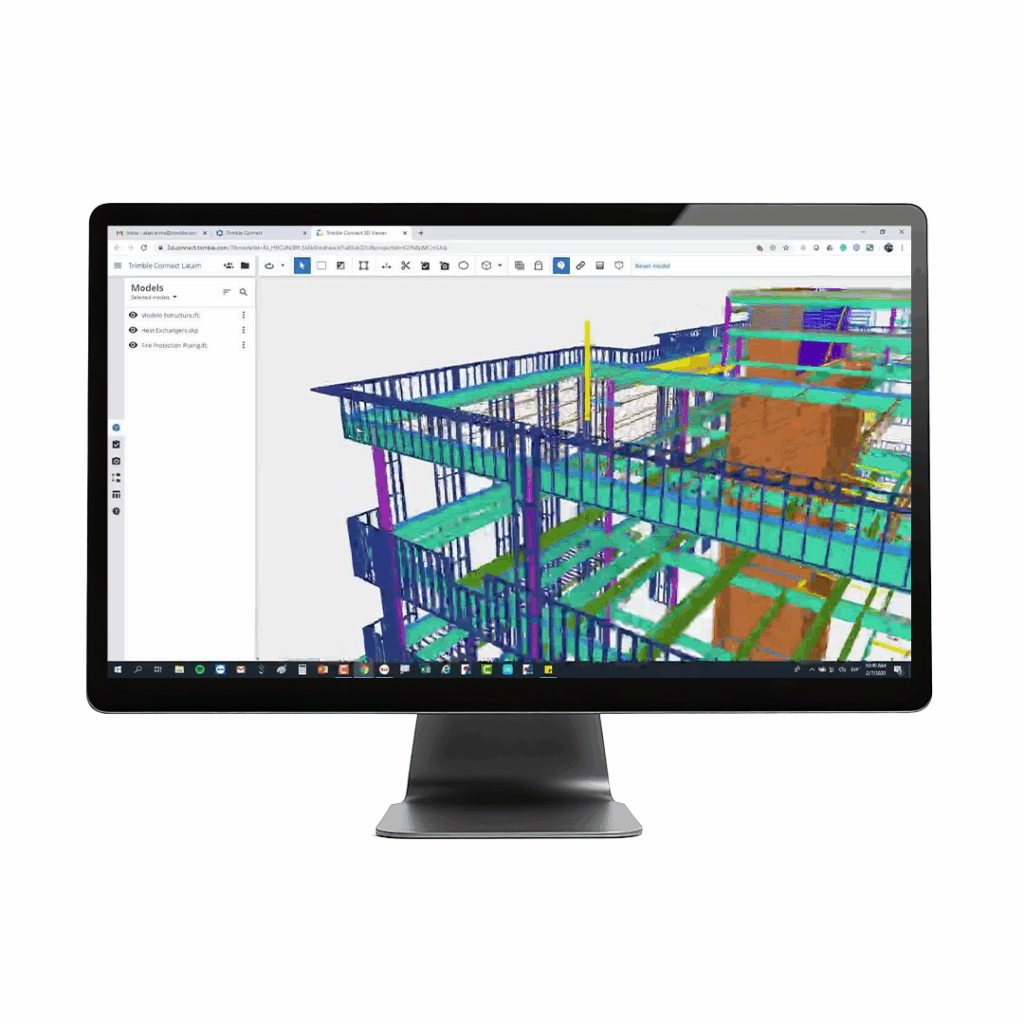
Trimble total stations are part of a highly integrated workflow that connects the surveyor in the field to the office staff. Data is securely stored in the cloud (Trimble Connect) with seamless, one-click data transfer. This means no data on USB drives risking data security and slowing down workflows. In construction, for example, this means the BIM model is always up-to-date, and data is synced with defacto industry standard software such as Trimble ViewPoint, Tekla, SketchUp, etc. The workflow is focussed on ease of use, with ultimate flexibility. The Trimble ecosystem is also generally considered to be a notably shorter learning curve.
Leica total stations are instead hardware-focussed, using USB drives for data transfer, with the workflow slower. Leica offers a number of different software packages to achieve the same results, but it’s a fragmented ecosystem with a steeper learning curve – especially for Leica Captivate software.
Trimble dealers such as KOREC in the UK and Ireland, SSG in Scotland, Cansel in Canada (amongst others) pride themselves on offering unparalleled aftercare for all purchases, including total stations. At KOREC it’s a key focus, with a TRUST brand promise dedicated to offering the best customer experiences both before and after the invoice.
Leica meanwhile have a hybrid approach, with some authorised dealers, but also some direct sales. With more direct sales, it’s harder to get support. Leica users have historically had a worse support experience than Trimble users. Add in some historical advertising where Leica suggested beginners could use their kit – ignoring the immense value and experience surveyors bring – and it’s clear that there’s a cultural difference.
Comparing the two brands by the numbers doesn’t reveal a clear winner. Both offer total station accuracy up to 0.5 seconds, can accommodate one-person use, and include a variety of locking and levelling features. The real differences come down to reliability, product range, usability, workflows, and ecosystem.
Trimble instruments are commonly reported to last a decade or more, with some customers still using 20-year-old Trimble kit. Leica total stations, even when well looked after, typically last around five years, with daily wear and tear being more of an issue.
Trimble total stations have been IP-rated for many years and are built to withstand wet conditions. Leica’s design has historically placed the antenna in the handle, an area more prone to water ingress, though newer models such as the TS20 are now IP-rated to help close that gap.
Leica’s Captivate software is feature-dense, which can make for a steeper learning curve, while Trimble Access is designed to prioritise fast, efficient working over more elaborate graphics.
Trimble total stations connect to Trimble Connect for secure cloud storage and one-click data transfer, syncing with software such as Trimble ViewPoint, Tekla, and SketchUp. Leica’s workflow relies more on USB drives for data transfer, with a more fragmented software ecosystem.
Trimble dealers, including KOREC, typically offer dedicated aftercare support. Leica uses a hybrid model of authorised dealers and direct sales, which can make consistent support access more variable.
If you’re on a job that is deep in the Leica ecosystem, or if you’re up against tight timelines and it’s the kit you have available, then continuing with Leica makes sense here. There’s a dedicated fanbase of Leica users for whom changing isn’t an option.
As we’ve seen across all the areas we’ve looked at, a Trimble total station is generally seen as the smarter choice. As you might expect from the largest global manufacturer, the small wins from the hardware and ecosystem add up considerably over the course of a project to represent real-world time savings for businesses. The Trimble solution enables smarter working at both project-level and for boots-on-ground surveyors. Switching from Leica to Trimble is the easier option, thanks to Trimble’s easier learning curve, and everyone loves Trimble’s famous reliability.
KOREC can help you to choose the right Trimble Total Station for your workflow. Speak to our friendly experts today to get the right technology to solve your business challenges.